

Table of Contents
Hiring professional Air Quality experts to inspect and assess commercial spaces is one of the most effective ways to ensure a healthy and safe indoor environment. These specialists bring advanced knowledge and equipment that can detect hidden pollutants, evaluate ventilation systems, and assess the performance of HVAC units. While many commercial spaces rely on routine maintenance performed by in-house staff, professional inspections go beyond basic upkeep by identifying subtle issues that can compromise Air Quality over time.
During a comprehensive assessment, air quality experts test for a wide range of pollutants, including particulate matter, volatile organic compounds (VOCs), mold spores, and other allergens that may not be visible to the naked eye. They also analyze airflow patterns, filter efficiency, and humidity levels, providing a complete picture of how indoor air circulates and whether any areas are prone to stagnation or contamination.
Regular professional inspections help prevent long-term deterioration of Air Quality by addressing problems before they escalate. For instance, a slightly clogged HVAC filter or a small area of hidden mold can quickly become a significant health hazard if left unchecked. By identifying these risks early, businesses can take corrective measures, such as upgrading filtration systems, improving ventilation, or implementing targeted cleaning strategies.
Beyond maintaining safety, these inspections contribute to overall comfort and productivity. Employees and customers alike are less likely to experience respiratory irritation, fatigue, or allergic reactions when Air Quality is consistently monitored and optimized. In addition, demonstrating a commitment to high Air Quality standards can enhance a company’s reputation, showing that it values the well-being of everyone who enters its premises.
Ultimately, professional air quality assessments are an essential investment for any commercial space. They provide peace of mind that all ventilation systems, HVAC units, and potential sources of indoor pollution are functioning optimally, ensuring a safe, healthy, and comfortable environment for both occupants and visitors.
1. Install High-Quality HVAC Systems
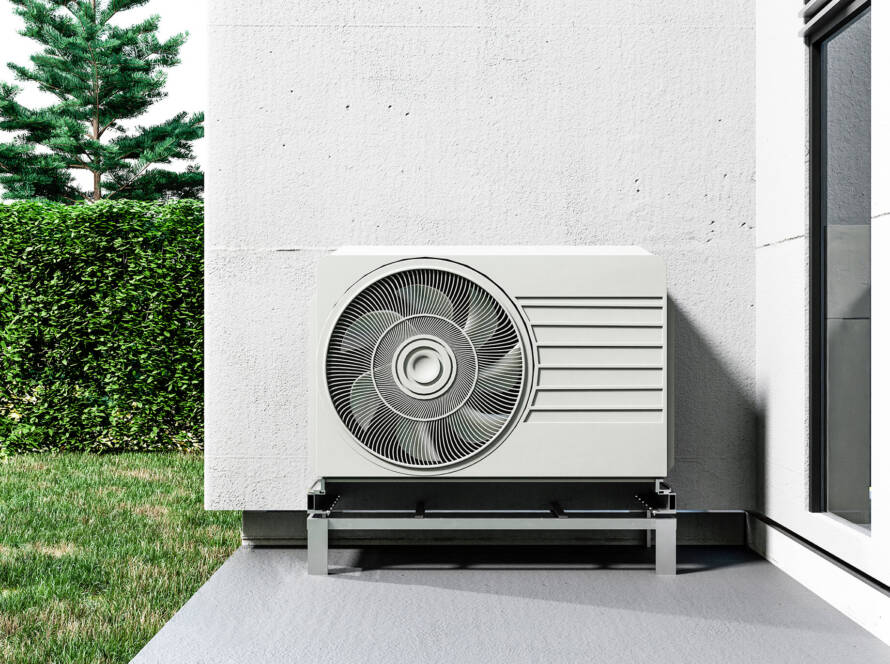
One of the most foundational strategies for improving Air Quality in commercial spaces is the installation of a high-quality HVAC (Heating, Ventilation, and Air Conditioning) system. HVAC systems do far more than just regulate temperature—they play a critical role in circulating clean air, filtering out pollutants, and maintaining proper humidity levels. In spaces where many people gather or where equipment produces heat and emissions, the effectiveness of the HVAC system directly affects the overall Air Quality.
Modern HVAC systems are designed with advanced filtration and air circulation technology, capable of trapping microscopic particles such as dust, pollen, and even bacteria. Unlike older units that may simply move air around without removing contaminants, these high-quality systems actively improve indoor Air Quality. Regularly replacing or upgrading filters is equally important, as clogged or outdated filters reduce efficiency and allow pollutants to circulate freely throughout the building.
Additionally, properly sized HVAC units ensure that airflow reaches all areas of the space, preventing pockets of stagnant air where allergens and pollutants can accumulate. Poorly designed or underpowered systems may leave certain areas under-ventilated, leading to uneven temperature control and compromised Air Quality.
Investing in a high-quality HVAC system also allows businesses to integrate smart technology for air monitoring and climate control. Many modern systems can automatically adjust airflow, humidity, and filtration based on real-time air quality readings, ensuring a consistently healthy environment. For example, in areas with high outdoor pollution or seasonal allergens, the system can increase filtration levels to maintain optimal Air Quality indoors.
Finally, regular professional maintenance of HVAC systems is essential to sustain their effectiveness. Even the most advanced systems can degrade over time if not properly cared for. Cleaning ducts, inspecting filters, and checking airflow ensures that commercial spaces continue to benefit from consistently high Air Quality, ultimately supporting employee health, customer comfort, and overall productivity.
In summary, a high-quality HVAC system is more than just an investment in comfort—it is a critical tool for safeguarding Air Quality in commercial environments. Businesses that prioritize advanced, well-maintained HVAC solutions are better positioned to provide a healthy, safe, and productive space for everyone inside.
2. Use HEPA and Activated Carbon Filters
Another highly effective strategy for improving Air Quality in commercial spaces is the use of HEPA (High-Efficiency Particulate Air) and activated carbon filters. These filtration systems are designed to remove a wide range of indoor pollutants, ensuring that the air circulating throughout the building remains clean, safe, and healthy for employees and visitors alike.
HEPA filters are capable of capturing extremely small particles, including dust, pollen, pet dander, mold spores, and even certain bacteria and viruses. This makes them particularly valuable in commercial settings where foot traffic is high or where activities generate fine dust or allergens. By trapping these particles before they circulate, HEPA filters significantly enhance overall Air Quality and reduce the risk of respiratory issues and allergic reactions among occupants.
Activated carbon filters complement HEPA filters by targeting gases, odors, and volatile organic compounds (VOCs). VOCs are commonly emitted from office furniture, paints, cleaning products, and industrial materials. Prolonged exposure to VOCs can contribute to headaches, fatigue, and other health concerns. Using activated carbon filtration alongside HEPA systems helps neutralize these chemical pollutants, ensuring that indoor air remains fresh and safe.
For maximum effectiveness, it is essential to select filters that are appropriate for the size of your commercial space and the specific pollutants present. Larger spaces or areas with higher pollution levels may require industrial-grade HEPA and carbon filters, while smaller offices can often benefit from high-quality residential-style units. Regular replacement and maintenance of these filters is also critical, as clogged or worn-out filters reduce efficiency and can even release trapped pollutants back into the air, compromising Air Quality rather than improving it.
Integrating HEPA and activated carbon filters into existing HVAC systems or using standalone air purifiers allows businesses to create cleaner, healthier indoor environments. Not only does this improve comfort for employees and visitors, but it also demonstrates a commitment to occupational health and safety—an increasingly important consideration in modern commercial spaces.
In summary, combining HEPA and activated carbon filtration is a powerful and proven way to maintain superior Air Quality in commercial environments. By capturing both particulate matter and harmful gases, these filters help create a safer, cleaner, and more productive workspace.
3. Incorporate Indoor Plants
Incorporating indoor plants into commercial spaces is a natural and effective strategy to enhance Air Quality while simultaneously improving the overall ambiance and aesthetics of the environment. Plants are not only visually appealing—they actively contribute to the purification of indoor air by absorbing pollutants and releasing oxygen, creating a healthier and more vibrant workspace. PMC
Certain plant species are particularly effective at improving Air Quality. For example, spider plants, peace lilies, snake plants, and Boston ferns are known for their ability to remove common indoor pollutants such as volatile organic compounds (VOCs), formaldehyde, and benzene. These harmful chemicals are often emitted from office furniture, flooring, paints, and cleaning products. By strategically placing these plants in offices, lobbies, and other commercial areas, businesses can reduce the concentration of these pollutants and improve overall indoor Air Quality.
Beyond their pollutant-removing capabilities, indoor plants help regulate humidity levels. Plants release moisture into the air through a process called transpiration, which can prevent overly dry conditions that irritate the respiratory system and degrade Air Quality. Maintaining balanced humidity is essential, especially in commercial buildings where HVAC systems can sometimes create excessively dry environments.
The psychological and productivity benefits of indoor plants are also well-documented. Studies show that employees working in spaces with plants experience reduced stress, increased concentration, and improved mood. Cleaner air combined with the calming presence of greenery can significantly enhance employee performance and overall satisfaction.
To maximize the benefits, it is important to choose plants that are suitable for indoor conditions, require minimal maintenance, and thrive in low-light environments often found in commercial buildings. Additionally, regular care, including watering, pruning, and monitoring for mold or pests, ensures that plants continue to contribute positively to Air Quality rather than becoming a source of allergens themselves.
In conclusion, indoor plants offer a dual benefit for commercial spaces: they naturally purify the air, enhancing Air Quality, and they create a more inviting, comfortable environment. By thoughtfully integrating greenery throughout a workplace, businesses can foster a healthier, more productive, and aesthetically pleasing atmosphere for employees and visitors alike.
4. Monitor Air Quality Regularly
Regular monitoring of Air Quality is an essential strategy for maintaining a healthy and safe indoor environment in commercial spaces. Without consistent measurement, it is nearly impossible to know whether ventilation systems, filtration units, or other air quality measures are truly effective. By implementing a structured monitoring plan, businesses can identify potential issues early and take corrective action before pollutants reach harmful levels.
Modern air quality monitors are capable of detecting a wide range of indicators, including particulate matter (PM2.5 and PM10), volatile organic compounds (VOCs), carbon dioxide (CO₂), carbon monoxide (CO), humidity, and temperature. These parameters provide a comprehensive view of indoor Air Quality, enabling facility managers to make informed decisions about ventilation, filtration, and space usage. For instance, elevated levels of CO₂ may indicate inadequate ventilation, while a rise in VOCs could point to chemical emissions from cleaning products or office furnishings.
Monitoring can be performed through stationary sensors placed throughout the commercial space or via portable devices that allow targeted measurements in specific areas. Large office buildings, schools, hospitals, and retail environments often benefit from a combination of both approaches to ensure full coverage. Data collected from these devices can be tracked over time, helping to identify trends, seasonal variations, or areas of concern that require additional attention.
In addition to technology, some businesses choose to engage professional Air Quality experts to conduct periodic inspections. These specialists can provide detailed analyses and recommendations based on the monitoring data, ensuring that the commercial space meets or exceeds safety standards. By proactively addressing issues detected through monitoring, organizations can prevent long-term deterioration of indoor Air Quality, minimize health risks, and maintain a comfortable environment for employees and customers.
Ultimately, regular air quality monitoring is more than just a precaution—it is a proactive investment in the health and well-being of everyone who occupies a commercial space. Continuous measurement, combined with prompt action, ensures that the air remains clean, breathable, and conducive to productivity, while also demonstrating a commitment to high environmental and occupational standards.
5. Improve Ventilation
Proper ventilation is one of the most critical strategies for maintaining and enhancing Air Quality in commercial spaces. Ventilation not only regulates temperature and humidity but also ensures that fresh air circulates throughout the building while removing stale, contaminated air. Without effective ventilation, pollutants such as dust, allergens, VOCs, and even airborne bacteria can accumulate, leading to decreased Air Quality and potential health risks for occupants.
Improving ventilation involves both natural and mechanical methods. Natural ventilation can include opening windows and doors when outdoor conditions are favorable, allowing fresh air to replace indoor air. This simple approach helps dilute pollutants and improve oxygen levels, directly enhancing Air Quality. However, natural ventilation alone is often insufficient in large commercial spaces or buildings with sealed windows, so mechanical ventilation systems are typically necessary.
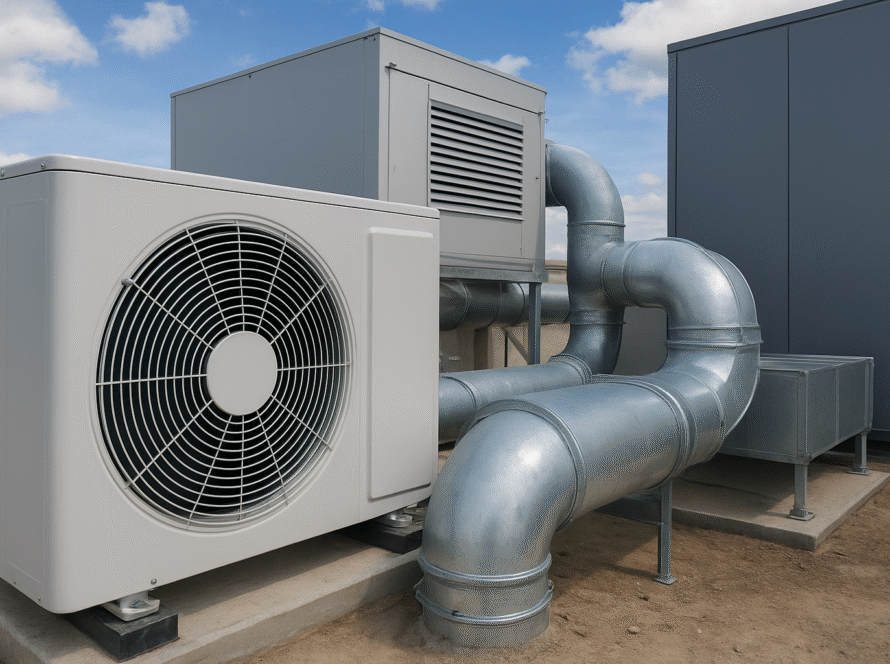
Mechanical ventilation, including HVAC systems equipped with high-quality filters, ensures consistent airflow throughout the space. Exhaust fans, air ducts, and air exchange units can be strategically placed to remove indoor pollutants and prevent the buildup of stagnant air pockets, which are common in corners, conference rooms, or areas with high occupancy. By maintaining continuous air circulation, mechanical ventilation helps reduce respiratory irritants, odors, and particulate matter, all of which contribute to improved Air Quality.
Another key aspect of ventilation is balancing airflow and pressure throughout the building. Inconsistent airflow can lead to areas where pollutants concentrate, reducing the overall effectiveness of ventilation efforts. Consulting with HVAC professionals and air quality experts can help design and implement a ventilation strategy that maximizes the removal of indoor contaminants and maintains consistent, high-quality air across all areas. EPA
Additionally, integrating smart ventilation controls can further enhance Air Quality. Advanced systems can monitor pollutant levels in real-time and automatically adjust airflow to maintain optimal conditions. For example, if carbon dioxide or VOC levels rise in a crowded office or conference room, the system can increase ventilation in that area to quickly restore clean, breathable air.
In conclusion, improving ventilation is a fundamental component of maintaining excellent Air Quality in commercial environments. By combining natural airflow, mechanical systems, and smart technology, businesses can ensure that indoor air remains clean, healthy, and comfortable for employees, clients, and visitors alike. Proper ventilation not only protects health but also promotes productivity, comfort, and overall satisfaction in commercial spaces.
Read more : HVAC Solutions: 5 Ways to Improve Indoor Air Quality
6. Control Humidity Levels
Controlling humidity levels is a critical yet often overlooked strategy for maintaining high Air Quality in commercial spaces. Both excessive moisture and overly dry conditions can negatively impact indoor air, creating an environment conducive to allergens, mold growth, and respiratory irritation. Maintaining a balanced humidity level is therefore essential for creating a healthy and comfortable workspace.
The ideal indoor humidity for most commercial spaces typically ranges between 30% and 50%. When humidity exceeds this range, it can encourage the growth of mold, mildew, dust mites, and bacteria, all of which compromise Air Quality and can trigger allergies or respiratory problems. Moisture accumulation may occur in areas such as bathrooms, kitchens, basements, or poorly ventilated office zones, making careful monitoring and control crucial.
On the other hand, extremely low humidity can dry out mucous membranes, irritate the skin, and exacerbate respiratory conditions. Dry air also increases the likelihood of airborne particles, such as dust and allergens, circulating more freely, which further reduces Air Quality.
There are several strategies to control humidity effectively. Commercial buildings can utilize humidifiers or dehumidifiers to maintain optimal moisture levels. Modern HVAC systems often include built-in humidity control, allowing for automatic adjustments based on real-time readings. Regularly monitoring humidity with sensors ensures that conditions remain within the healthy range, preventing both over-humidification and excessive dryness.
Proper maintenance of HVAC systems is also essential, as malfunctioning units can fail to regulate humidity, leading to mold growth, musty odors, and poor Air Quality. In addition, ensuring that plumbing systems and water sources are free from leaks prevents unintended moisture accumulation, which could otherwise compromise indoor air quality.
Maintaining balanced humidity not only enhances Air Quality but also contributes to occupant comfort and productivity. Employees working in spaces with optimal humidity levels experience fewer respiratory issues, less fatigue, and greater overall well-being. Furthermore, controlling humidity helps preserve building materials, furnishings, and equipment, extending their lifespan and reducing maintenance costs.
In summary, monitoring and controlling humidity levels is a vital component of maintaining excellent Air Quality in commercial spaces. By ensuring that moisture remains within a safe and comfortable range, businesses can create healthier environments, protect their investments, and support the well-being of everyone who occupies the space.
Read more : 5 Warning Signs Your Air Conditioner Needs Immediate Attention
7. Reduce the Use of VOC-Emitting Products
Volatile Organic Compounds (VOCs) are chemicals commonly found in paints, adhesives, cleaning products, office supplies, and furniture. These compounds can significantly reduce Air Quality, leading to headaches, fatigue, respiratory irritation, and long-term health concerns if exposure is frequent or prolonged. To maintain healthy indoor air, it is essential for commercial spaces to minimize the use of VOC-emitting products.
Choosing low-VOC or VOC-free paints, finishes, adhesives, and cleaning agents can dramatically improve Air Quality. Even small changes, such as switching to eco-friendly office supplies or natural cleaning solutions, can reduce the concentration of harmful chemicals in the air. Proper storage of VOC-containing materials, in well-ventilated areas away from occupied spaces, also prevents unnecessary emissions.
By implementing policies that limit VOC exposure, businesses not only improve indoor Air Quality but also demonstrate a commitment to environmental responsibility and employee well-being. Reducing VOCs contributes to a safer, more comfortable, and more productive workplace.
8. Implement a No-Smoking Policy
Smoking indoors or near commercial buildings drastically deteriorates Air Quality, exposing employees and customers to harmful secondhand smoke and airborne toxins. Enforcing a strict no-smoking policy is one of the most effective measures to protect indoor air from pollutants.
A comprehensive no-smoking policy should include clear signage, designated outdoor smoking areas away from entrances, and regular enforcement to ensure compliance. By removing tobacco smoke from indoor environments, businesses prevent exposure to dangerous chemicals, reduce odors, and maintain a cleaner atmosphere for everyone.
Implementing a no-smoking policy improves Air Quality while promoting a healthier, safer, and more professional commercial space. It also aligns with public health standards and enhances a company’s reputation as a responsible employer.
9. Maintain Clean Surfaces and Flooring
Dust, dirt, and allergens often settle on surfaces and floors, where they can easily become airborne and reduce Air Quality. Regular and thorough cleaning is essential to prevent this accumulation and maintain a healthy indoor environment.
Using vacuum cleaners with HEPA filters ensures that dust and fine particles are trapped rather than released back into the air. Dusting with microfiber cloths and cleaning high-touch surfaces helps remove allergens, bacteria, and other pollutants. Floors, carpets, and rugs should be cleaned frequently, especially in high-traffic areas, to prevent the spread of contaminants.
A clean commercial environment directly improves Air Quality, reduces respiratory risks, and enhances the overall comfort and productivity of employees and visitors. It also creates a positive impression for clients and customers, reflecting a professional and health-conscious business culture.
10. Utilize Air Purifiers
Air purifiers are an effective supplemental solution for improving Air Quality, particularly in spaces where ventilation may be limited or pollutant levels are high. Modern air purifiers are equipped with HEPA and activated carbon filters that trap particulate matter, allergens, VOCs, and odors.
Standalone purifiers can be strategically placed in offices, conference rooms, lobbies, or other high-traffic areas to maintain clean air throughout the commercial space. For larger facilities, multiple units may be necessary to ensure full coverage. Advanced models also monitor air quality in real-time and automatically adjust filtration to maintain optimal conditions.
By incorporating air purifiers, businesses can enhance Air Quality beyond what ventilation alone can achieve, providing a safer, more comfortable environment for employees and visitors.
11. Educate Employees on Air Quality Practices
Maintaining high Air Quality is a collective responsibility. Educating employees about practices that support clean indoor air is a critical step in sustaining a healthy workplace. Staff should be trained on proper cleaning techniques, responsible use of chemicals, and the importance of maintaining HVAC systems and air purifiers.
Employees can also help by keeping workstations organized, avoiding clutter that collects dust, and reporting potential sources of indoor pollution, such as leaks or mold. By fostering a culture of awareness and accountability, businesses ensure that everyone contributes to maintaining excellent Air Quality.
Well-informed employees are more likely to adopt habits that protect health, enhance comfort, and support the long-term performance of commercial spaces. Education empowers the workforce to take proactive steps in creating a safer and cleaner environment.
12. Conduct Regular Professional Inspections
Hiring professional Air Quality experts to inspect and assess commercial spaces ensures that ventilation systems, HVAC units, and other potential sources of indoor pollutants are functioning optimally. These specialists use advanced tools to detect hidden contaminants, evaluate airflow, and recommend corrective actions to maintain superior Air Quality.
Regular inspections prevent long-term deterioration of indoor air by identifying issues early, such as clogged filters, mold growth, or chemical buildup. Addressing these problems promptly reduces health risks, ensures a comfortable environment, and supports compliance with occupational health standards.
Professional air quality assessments are an essential investment for commercial spaces, providing peace of mind that indoor air remains clean, safe, and conducive to productivity. By prioritizing expert evaluations, businesses demonstrate a strong commitment to the well-being of employees, visitors, and clients.
Conclusion
Maintaining high Air Quality in commercial spaces requires a multifaceted approach, combining technology, design, maintenance, and employee awareness. By implementing these 12 strategies—from advanced HVAC systems and filtration to proper humidity control, ventilation, and professional inspections—businesses can create a safe, healthy, and productive indoor environment. Prioritizing Air Quality not only protects health but also enhances comfort, efficiency, and overall satisfaction for everyone who enters the space.