

Table of Contents
Managing heating, ventilation, and air conditioning systems in large facilities is a demanding and highly technical responsibility. Office towers, hospitals, shopping malls, industrial plants, and educational campuses all depend on reliable HVAC performance to maintain comfortable temperatures, proper ventilation, and healthy indoor air quality. Even minor inefficiencies in these systems can quickly lead to higher energy consumption, occupant discomfort, and costly operational disruptions.
For this reason, Regular HVAC tune-ups are not a luxury or a reactive measure—they are a critical component of effective facility management. Without consistent inspections and preventive maintenance, HVAC systems are more likely to suffer from premature wear, unexpected breakdowns, and declining performance. In large facilities, where systems operate continuously and serve multiple zones, the risks associated with neglect are significantly amplified.
Implementing a structured Regular HVAC maintenance strategy allows facility managers to take a proactive approach rather than reacting to emergencies. Scheduled tune-ups help identify potential issues early, optimize system performance, and ensure equipment operates within manufacturer specifications. Over time, this approach delivers measurable benefits, including improved energy efficiency, lower operating costs, extended equipment lifespan, and better compliance with safety and environmental standards.
Beyond financial and technical advantages, Regular HVAC tune-ups also support healthier indoor environments and greater occupant satisfaction. Clean air, stable temperatures, and reliable system performance contribute directly to productivity, safety, and overall comfort across large facilities.
Below are 12 key benefits of Regular HVAC tune-ups for large facilities, explained in detail, to highlight why consistent maintenance is essential for long-term operational success.
1. Improved Energy Efficiency
Energy efficiency is one of the most significant and immediate benefits of Regular HVAC tune-ups, especially in large facilities where systems run for extended hours and serve multiple zones simultaneously. Over time, HVAC components naturally accumulate dust, debris, and mechanical wear. Dirty coils, clogged filters, unbalanced airflow, and improperly calibrated controls all force the system to work harder than necessary to achieve the desired indoor conditions.
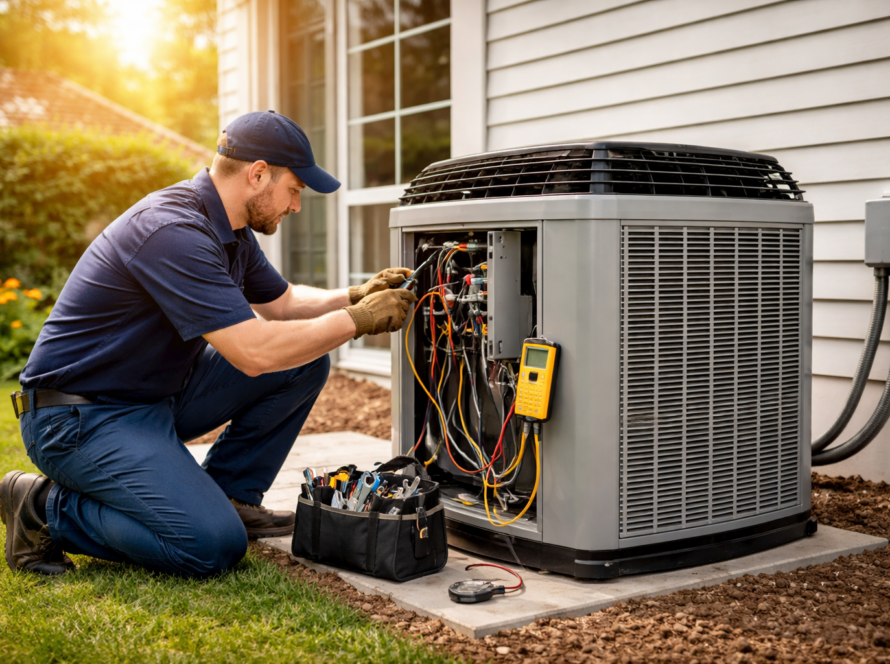
Through Regular HVAC maintenance, technicians thoroughly inspect and clean critical components, including evaporator and condenser coils, air handlers, and ductwork. They also verify refrigerant levels, lubricate moving parts, and ensure thermostats and sensors are accurately calibrated. These adjustments reduce system strain and allow HVAC equipment to operate at peak efficiency.
For large facilities, even small efficiency improvements can result in substantial energy savings. When Regular HVAC systems function optimally, they consume less electricity and fuel to maintain stable temperatures across expansive spaces. This leads to lower utility bills, reduced peak energy demand, and more predictable operating costs throughout the year. Aemaco
Additionally, improved efficiency supports sustainability goals by minimizing wasted energy and lowering greenhouse gas emissions. By prioritizing Regular HVAC tune-ups, facility managers not only cut costs but also enhance environmental performance while maintaining consistent comfort for occupants.
Read more : 10 Myths About Energy Efficiency You Should Stop Believing
2. Lower Operating Costs
One of the most compelling reasons large facilities invest in Regular HVAC tune-ups is the significant reduction in operating costs. HVAC systems account for a substantial portion of a facility’s energy and maintenance budget. When systems are not properly maintained, minor inefficiencies and unnoticed mechanical issues can quickly lead to higher energy consumption, frequent repairs, and unexpected service calls.
With Regular HVAC maintenance, potential problems such as worn belts, loose electrical connections, refrigerant imbalances, and airflow restrictions are identified and corrected early. Addressing these issues during scheduled tune-ups is far more cost-effective than responding to emergency breakdowns that often require immediate labor, expedited parts, and system downtime.
Large facilities also benefit from better budget predictability. Regular HVAC service plans reduce the likelihood of sudden equipment failures, allowing facility managers to plan maintenance expenses in advance rather than allocating funds for unplanned repairs. Over time, this proactive approach helps stabilize annual operating budgets and improves financial forecasting.
In addition, efficient systems experience less mechanical stress, which reduces the frequency of component replacements. By relying on Regular HVAC tune-ups, organizations can lower repair costs, minimize operational disruptions, and achieve long-term savings without compromising comfort or system performance.
3. Extended Equipment Lifespan
HVAC systems in large facilities represent a significant capital investment, and protecting that investment is a top priority for facility managers. Without Regular HVAC tune-ups, systems are forced to operate under increased strain caused by dirty components, poor airflow, and undetected mechanical issues. Over time, this added stress accelerates wear and tear on critical parts such as compressors, motors, fans, and heat exchangers. 865 HVAC
Through Regular HVAC maintenance, technicians inspect system components for early signs of deterioration and make necessary adjustments to keep equipment operating within manufacturer-recommended conditions. Tasks such as lubricating moving parts, tightening electrical connections, replacing worn belts, and correcting airflow imbalances all help reduce mechanical stress and prevent premature failure.
In large facilities where HVAC systems often run continuously, extending equipment lifespan by even a few years can result in substantial cost savings. Regular HVAC tune-ups delay the need for major capital expenditures, allowing organizations to maximize the return on their equipment investment and better plan for future upgrades.
Ultimately, a consistent Regular HVAC maintenance program ensures systems remain reliable, efficient, and durable over the long term, helping large facilities avoid early replacements while maintaining consistent indoor comfort and performance.
4. Enhanced Indoor Air Quality
Indoor air quality is a critical concern in large facilities, where high occupancy levels and continuous system operation can quickly allow pollutants to accumulate. Dust, allergens, mold spores, bacteria, and volatile organic compounds can circulate throughout a building if HVAC systems are not properly maintained. This is why Regular HVAC tune-ups play a vital role in maintaining clean and healthy indoor air. 865 HVAC
During Regular HVAC maintenance, technicians inspect and replace air filters, clean air handling units, and examine ductwork for contamination or blockages. Proper ventilation rates are verified to ensure that fresh air is introduced effectively while stale air is removed. These actions significantly reduce airborne contaminants and help maintain balanced humidity levels, which further limits microbial growth.
For large facilities such as hospitals, schools, and office complexes, improved air quality directly impacts occupant health and comfort. Regular HVAC tune-ups help reduce allergy symptoms, respiratory issues, and sick days among employees and visitors. In regulated environments, maintaining proper air quality also supports compliance with health and safety standards.
By investing in Regular HVAC maintenance, facility managers create safer, cleaner indoor environments while enhancing occupant satisfaction and overall building performance.
Read more : 12 Strategies to Improve Indoor Air Quality in Commercial Spaces
6. Consistent Temperature Control
Maintaining consistent temperatures across large facilities is a common challenge, especially in buildings with multiple floors, zones, and usage types. Uneven heating or cooling often results from airflow imbalances, poorly calibrated thermostats, or aging system components. Through Regular HVAC tune-ups, these issues can be identified and corrected before they affect occupant comfort. MSG
As part of Regular HVAC maintenance, technicians assess airflow distribution, test zone controls, and recalibrate thermostats and sensors to ensure accurate temperature readings. Dampers and controls are adjusted so conditioned air is delivered evenly throughout the facility, preventing hot and cold spots that frequently lead to complaints from occupants.
For large facilities, consistent temperature control is more than a comfort issue—it also supports productivity, equipment performance, and operational efficiency. Regular HVAC tune-ups help ensure that each space receives the appropriate level of heating or cooling based on its function, occupancy, and load requirements.
By maintaining stable indoor temperatures through Regular HVAC maintenance, facility managers can improve occupant satisfaction, reduce system strain, and ensure reliable climate control across the entire building year-round.
8. Reduced Environmental Impact and Carbon Emissions
As organizations place greater emphasis on sustainability and environmental responsibility, the efficiency of building systems has become a critical factor. HVAC equipment is one of the largest energy consumers in large facilities, and inefficient operation directly contributes to higher carbon emissions. Implementing Regular HVAC tune-ups plays a key role in reducing a facility’s environmental footprint.
Through Regular HVAC maintenance, systems operate more efficiently by minimizing energy waste caused by dirty components, poor airflow, or incorrect settings. Proper refrigerant management, clean heat exchange surfaces, and optimized controls all help reduce unnecessary energy consumption while maintaining desired indoor conditions.
For large facilities pursuing sustainability certifications or corporate environmental goals, Regular HVAC tune-ups support measurable reminders in energy use and emissions. Improved system performance leads to lower greenhouse gas output and helps organizations align with environmental regulations and climate initiatives.
By committing to Regular HVAC maintenance, facility managers not only reduce operational costs but also demonstrate environmental stewardship, supporting long-term sustainability while maintaining reliable indoor comfort.
9. Improved System Performance During Peak Seasons
Large facilities face some of the greatest challenges in maintaining HVAC system performance during extreme seasonal conditions. Whether it’s the oppressive heat of summer or the freezing temperatures of winter, HVAC systems are pushed to their limits, often operating continuously across multiple zones to maintain occupant comfort. Even minor inefficiencies—such as worn components, misaligned controls, or restricted airflow—can become significant problems under peak demand, leading to uneven temperatures, reduced system efficiency, or, in the worst cases, complete equipment failure. This is why Regular HVAC tune-ups are absolutely essential for preparing systems to handle these high-stress periods.
During a Regular HVAC maintenance session, technicians perform a thorough and systematic inspection of every critical component. This includes checking refrigerant levels to ensure the system is properly charged, inspecting compressors for wear or damage, testing electrical connections for reliability, and verifying that all sensors, thermostats, and control systems are functioning accurately. In addition, airflow throughout the building is carefully measured and balanced, dampers are adjusted to ensure proper distribution, and thermostats are recalibrated to maintain consistent temperature control across every zone. These proactive measures allow the HVAC system to operate at full capacity precisely when it is needed most.
For large-scale operations such as hospitals, data centers, manufacturing facilities, and corporate office complexes, reliable performance during peak seasons is not just a matter of comfort—it is a critical operational necessity. Interruptions in heating or cooling can disrupt daily operations, compromise sensitive equipment, and even impact safety. By implementing Regular HVAC tune-ups before the onset of extreme weather, facility managers can reduce the risk of unexpected breakdowns, maintain stable indoor environments, and ensure continuous operational efficiency throughout the year.
Ultimately, Regular HVAC maintenance during peak seasons is an investment in reliability, resilience, and comfort. It ensures that HVAC systems are fully prepared to meet high-demand conditions, protecting both the facility’s occupants and its operational infrastructure from the challenges posed by seasonal extremes.
10. Better Asset Management and Planning
Effective management of HVAC systems in large facilities requires more than reactive repairs—it demands strategic planning and informed decision-making. Regular HVAC tune-ups provide facility managers with detailed insights into the condition, performance, and lifecycle of their equipment, enabling smarter asset management and long-term planning. MSG
During a Regular HVAC maintenance visit, technicians perform thorough inspections, document component wear, track system efficiency trends, and note any potential issues that may require attention in the future. These records create a comprehensive performance history for each system, helping managers identify patterns, forecast maintenance needs, and schedule timely replacements before emergencies occur.
For large facilities with multiple HVAC units, this structured approach allows for optimized budgeting and resource allocation. Instead of reacting to sudden breakdowns or unexpected failures, facility managers can plan upgrades, retrofits, or replacements with confidence, reducing downtime and avoiding unnecessary costs.
Furthermore, Regular HVAC tune-ups improve overall asset reliability. Knowing the status of critical components allows managers to prioritize interventions, extend equipment lifespan, and maintain consistent performance. By integrating these insights into long-term facility management strategies, organizations not only protect their investments but also ensure energy-efficient, reliable operations year-round.
11. Increased Occupant Satisfaction and Productivity
Comfortable indoor environments are essential for the well-being and productivity of occupants in large facilities. Temperature fluctuations, poor ventilation, and inconsistent airflow can lead to discomfort, distractions, and even health issues. Regular HVAC tune-ups play a vital role in maintaining a stable and pleasant environment that supports occupant satisfaction and efficiency.
During Regular HVAC maintenance, technicians ensure that heating, cooling, and ventilation systems are operating optimally. They adjust thermostats, calibrate sensors, balance airflow across different zones, and replace filters to maintain clean air. These proactive measures prevent temperature inconsistencies and reduce noise, odors, and dust, all of which can negatively impact the experience of employees, visitors, or tenants.
For workplaces, schools, hospitals, and commercial facilities, maintaining ideal indoor conditions translates directly into higher productivity and engagement. Employees are able to focus better, students can concentrate more effectively, and patients experience greater comfort and recovery. Regular HVAC tune-ups help create an environment that supports both health and performance, while also minimizing complaints and disruptions.
By prioritizing Regular HVAC maintenance, facility managers foster a more comfortable and efficient environment. This not only enhances occupant satisfaction but also reinforces the organization’s commitment to quality, safety, and operational excellence.
12. Stronger Emergency Preparedness
Unexpected events such as extreme weather, equipment failures, or power disruptions can put large facilities at risk, especially if HVAC systems are not properly maintained. Regular HVAC tune-ups play a crucial role in emergency preparedness by ensuring that all components are functioning reliably and that backup systems are ready to operate when needed.
During maintenance, technicians inspect critical equipment, test emergency controls, verify backup power connections, and identify potential vulnerabilities that could compromise system performance. This proactive approach minimizes the likelihood of sudden failures and ensures that the facility can maintain safe and comfortable conditions for occupants under all circumstances. MSG
As John Smith, a leading facility management consultant, explains: “Preventive HVAC maintenance is the difference between facing a costly emergency and maintaining uninterrupted operations. Regular tune-ups give facility managers confidence that systems will perform when they are needed most.”
For hospitals, data centers, manufacturing plants, and other high-stakes environments, Regular HVAC tune-ups provide peace of mind, protect valuable assets, and help maintain operational continuity even during unforeseen events. By incorporating scheduled maintenance into their management strategy, facility managers ensure that their facilities are resilient, reliable, and prepared for any emergency scenario.
Conclusion
For large facilities, HVAC systems are far more than just equipment—they are the backbone of comfort, safety, and operational efficiency. Without proper maintenance, even the most advanced systems can experience decreased performance, higher energy costs, and unexpected breakdowns. Implementing a program of Regular HVAC tune-ups ensures that these systems operate at peak efficiency, providing reliable temperature control, improved air quality, and consistent comfort for all occupants.
The benefits of Regular HVAC maintenance extend beyond technical performance. Facility managers gain valuable insights for asset management, reduce the risk of costly emergency repairs, and enhance regulatory compliance. Occupants enjoy healthier, more comfortable environments, which supports productivity, satisfaction, and overall well-being. Additionally, optimizing HVAC efficiency contributes to sustainability goals by lowering energy consumption and reducing carbon emissions, aligning operational excellence with environmental responsibility.
Ultimately, Regular HVAC tune-ups represent a proactive investment in the long-term performance and resilience of a facility. By prioritizing routine inspections and preventive maintenance, organizations can extend equipment lifespan, maintain consistent system performance, and avoid unexpected disruptions. In a world where comfort, efficiency, and reliability are critical, there is no substitute for the strategic advantage provided by Regular HVAC maintenance.
Read more : 7 Reasons Preventive HVAC Maintenance Saves You Money and Extends System Life