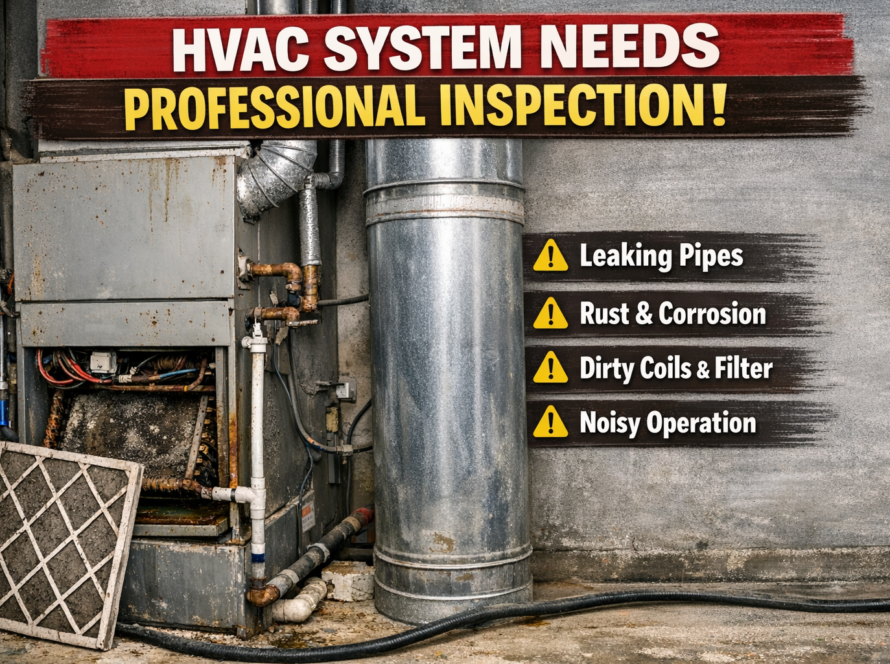


Table of Contents
Every homeowner in New Jersey knows the importance of a dependable HVAC system. Whether it’s the sweltering summer months when temperatures can soar into the 90s or the frigid winters when the mercury drops well below freezing, a properly functioning heating and cooling system is essential for maintaining comfort, safety, and even energy efficiency in your home. Yet, even the most well-maintained systems are not immune to HVAC Problems, which can arise unexpectedly and disrupt daily life.
From sudden breakdowns to gradual performance declines, HVAC Problems can affect your home in ways that go beyond discomfort. They often lead to higher energy bills, unnecessary stress, and, if left unaddressed, expensive repairs or even premature replacement of the entire system. For homeowners who may not be intimately familiar with how their HVAC system operates, identifying these problems early can feel overwhelming.
Understanding the most common issues that HVAC systems face in New Jersey is a proactive way to protect your home and family. From clogged filters that reduce airflow and efficiency, to refrigerant leaks that compromise cooling performance, and even electrical failures that can completely shut down your system, knowing what to watch for can save both time and money.
In this guide, we will explore the 9 most common HVAC Problems that New Jersey homeowners encounter. Each issue will be explained in detail, along with practical tips on how to prevent or address it. By familiarizing yourself with these problems, you’ll be better equipped to spot warning signs early, schedule timely maintenance, and ensure your HVAC system continues to deliver reliable comfort throughout the year.
Whether you are a first-time homeowner or someone who has lived in New Jersey for years, this comprehensive overview will help you make informed decisions, avoid unnecessary expenses, and enjoy peace of mind knowing your heating and cooling system is running at its best.
1. Dirty or Clogged Filters
One of the most common and easily overlooked HVAC Problems that New Jersey homeowners face is dirty or clogged air filters. Air filters play a crucial role in your heating and cooling system by trapping dust, pollen, pet dander, and other airborne particles. Over time, however, these filters can become saturated with debris, restricting airflow and forcing your system to work harder than it should. This not only decreases energy efficiency but also increases the risk of more serious mechanical issues.
When filters are clogged, your HVAC system struggles to maintain the desired temperature, which can result in uneven heating or cooling throughout your home. In some cases, you may notice certain rooms feeling warmer or cooler than others, or you might hear your system running constantly without effectively reaching the set temperature. Left unaddressed, this can shorten the lifespan of your HVAC components, including the blower motor and fan, turning a minor issue into a major repair. epa
Dirty filters can also negatively impact indoor air quality, which is especially concerning for households with children, elderly family members, or individuals with allergies or respiratory conditions. Airborne allergens can circulate freely, worsening symptoms and creating an unhealthy living environment.
Preventing this common HVAC Problem is relatively simple. Homeowners should check their air filters at least once a month and replace them every 1–3 months, depending on usage and environmental factors. Homes with pets, smokers, or high dust levels may require more frequent changes. Additionally, opting for high-quality filters can improve particle capture, enhance airflow, and increase overall system efficiency. carrier
Regular maintenance, including cleaning or replacing filters, not only prevents HVAC breakdowns but also helps reduce energy costs. According to the U.S. Department of Energy, replacing a dirty filter can lower your HVAC system’s energy consumption by up to 15%, making it one of the most cost-effective ways to maintain your system.
In summary, while it may seem like a small and simple task, monitoring and replacing air filters is critical in preventing one of the most frequent HVAC Problems in New Jersey homes. A clean filter ensures smooth airflow, improves indoor air quality, reduces energy usage, and extends the life of your heating and cooling system. energy
2. Thermostat Failures
Another common and often underestimated category of HVAC Problems in New Jersey homes involves the thermostat. While many homeowners focus on the physical components of the heating and cooling system, the thermostat is the command center that controls when your system heats or cools your home. A malfunctioning thermostat can cause inconsistent temperatures, prevent your system from turning on or off, and even increase energy bills if the system is running unnecessarily. epa
Thermostat issues can arise from several causes. In older systems, mechanical thermostats may wear out over time, while digital or smart thermostats can experience software glitches or lose calibration. Simple problems like dead batteries, incorrect settings, or placement in an area with direct sunlight, drafts, or heat-producing appliances can also lead to performance issues. Any of these factors can create one of the most frustrating HVAC Problems: a home that never feels consistently comfortable.
The signs of a failing thermostat are often subtle but can escalate if ignored. You may notice that your furnace or air conditioner turns on and off more frequently than normal, known as short cycling. Alternatively, the system may run continuously without reaching the set temperature, wasting energy and causing wear on components like compressors or blower motors. In some cases, the thermostat may not respond at all, leaving your family without heat in the dead of winter or cooling during a New Jersey summer heatwave. energy
Preventing thermostat-related HVAC Problems starts with regular monitoring and proper placement. Ensure the thermostat is not exposed to direct sunlight or drafts, and check that it is installed in a central location for accurate temperature readings. For homes using older thermostats, upgrading to a programmable or smart thermostat can improve efficiency, reduce energy consumption, and provide better control over your home’s temperature throughout the day. Many modern models also allow remote monitoring via smartphones, which can alert homeowners to potential issues before they become critical.
Calibration and maintenance are also key. Even modern thermostats can drift over time, causing inaccurate readings that lead to HVAC inefficiency. A professional HVAC technician can test and recalibrate your thermostat annually, especially during seasonal maintenance checks. This simple step can prevent one of the more common HVAC Problems, ensuring your system operates efficiently, saves on energy costs, and maintains consistent comfort in every room.
In short, while a thermostat may seem like a small component of your heating and cooling system, its proper function is critical. Neglecting it can create persistent HVAC Problems, leading to discomfort, wasted energy, and unnecessary stress. By paying attention to your thermostat, homeowners in New Jersey can avoid many of these common issues and enjoy reliable, consistent home comfort year-round. epa
3. Refrigerant Leaks
Refrigerant leaks are another common and serious category of HVAC Problems that can significantly impact the performance of your air conditioning system in New Jersey. Refrigerant is the vital chemical responsible for absorbing heat from your home and enabling your air conditioner to cool the air effectively. When your system experiences a leak, it loses its ability to cool efficiently, often leading to uncomfortable indoor temperatures, increased energy bills, and additional strain on HVAC components. energy
Many homeowners may not realize they have a refrigerant leak until they notice clear signs of trouble. Common symptoms include unusually warm air coming from the vents, higher-than-normal electricity bills, or ice forming on the evaporator coils. In some cases, the system may run continuously without reaching the desired temperature, or it may cycle on and off more frequently than normal, a phenomenon known as short cycling. All of these issues are considered significant HVAC Problems that require immediate attention.
Refrigerant leaks can occur for several reasons. Over time, the metal components in your HVAC system may corrode or develop tiny cracks due to age, vibration, or environmental factors. Poor installation or damage from pests or debris can also cause leaks. Regardless of the cause, operating an air conditioner with low refrigerant levels can severely damage the compressor—the heart of the cooling system—and may lead to costly repairs or even a full system replacement if not addressed promptly. carrier
It’s important to note that handling refrigerant is not a DIY task. Refrigerants are regulated due to environmental and safety concerns, and only licensed HVAC technicians should repair or recharge your system. Professional technicians have the proper tools to detect leaks, repair damaged components, and ensure your system is operating safely and efficiently.
Preventing refrigerant-related HVAC Problems involves routine maintenance and careful observation. Annual system inspections, particularly before the start of summer, allow technicians to check for leaks, measure refrigerant levels, and clean components that can contribute to system inefficiency. Homeowners should also pay attention to airflow and cooling performance; if your air conditioner is struggling to maintain comfort or making unusual noises, it may be an early warning sign of a refrigerant issue.
By addressing refrigerant leaks early, you not only restore optimal cooling performance but also protect the longevity of your HVAC system and reduce energy waste. In a state like New Jersey, where summer heat can be intense, ensuring your system is fully charged and leak-free is essential to avoiding one of the most disruptive HVAC Problems a homeowner can face. energy
4. Ignition or Pilot Control Issues
For New Jersey homeowners relying on furnaces during the colder months, ignition or pilot control problems are a frequent source of HVAC Problems. These components are critical for starting your heating system and keeping it running safely. When ignition systems or pilot lights fail, your furnace may not start at all, may shut down unexpectedly, or may operate inefficiently—leaving your home uncomfortably cold during harsh winter conditions. epa
Ignition and pilot control issues can occur for several reasons. In older furnaces, pilot lights may go out due to clogged lines, drafts, or worn-out thermocouples. Modern furnaces, which often use electronic ignition systems, can experience failures due to faulty sensors, worn-out igniters, or electrical malfunctions. Any of these problems can prevent your HVAC system from generating heat when you need it most, creating one of the most urgent and disruptive HVAC Problems in residential homes.
Symptoms of a malfunctioning ignition system include:
- Furnace not turning on, despite thermostat settings.
- Flickering or constantly extinguishing pilot light.
- Strange clicking sounds as the system attempts to ignite.
- Frequent cycling of the furnace turning on and off without producing sufficient heat.
Ignoring these signs can lead to further damage. For instance, repeated failed ignition attempts can strain the furnace’s electrical components or damage the gas valve, resulting in more costly repairs. Additionally, improper operation can pose safety risks, such as gas leaks or incomplete combustion. carrier
Preventing ignition or pilot control issues starts with regular annual maintenance. Licensed HVAC technicians can inspect, clean, and test ignition systems or pilot assemblies to ensure they are functioning correctly. This preventive approach not only reduces the likelihood of sudden failures but also extends the life of your furnace and enhances its efficiency.
Homeowners can also take simple precautions to avoid common causes of ignition failure. Keeping the area around the furnace clean, ensuring proper ventilation, and scheduling professional inspections before the onset of winter are effective ways to prevent one of the most common HVAC Problems that impact heating performance. epa
Ultimately, ignition or pilot control issues highlight the importance of proactive maintenance. By addressing potential problems early, New Jersey homeowners can avoid the stress of a heating system failure in the middle of winter and ensure their home remains safe, warm, and comfortable throughout the season. energy
5. Dirty or Frozen Evaporator Coils
Dirty or frozen evaporator coils are a common but often overlooked source of HVAC Problems in New Jersey homes. The evaporator coil is a critical component of your air conditioning system, responsible for absorbing heat from the air inside your home. When it becomes dirty or freezes, the system’s efficiency drops significantly, resulting in poor cooling, increased energy bills, and potential damage to other HVAC components.
Over time, dust, dirt, and debris can accumulate on the evaporator coil, creating a layer of insulation that reduces its ability to absorb heat effectively. In addition, restricted airflow caused by clogged filters or blocked vents can lead to the coil freezing over. When the coil freezes, it not only stops the cooling process but can also cause water damage as ice melts, potentially leaking onto other parts of the system or the surrounding area. epa
Signs that your evaporator coils may be dirty or frozen include:
- Reduced cooling performance, even when the thermostat is set to a low temperature.
- Frost or ice visible on the indoor coil or refrigerant lines.
- Water dripping around the indoor air handler or along the ceiling.
- Increased energy bills without a change in usage.
These issues are considered significant HVAC Problems because if left untreated, they can lead to more severe system failures, such as compressor damage or refrigerant leaks. The cost of repairing these secondary issues is often much higher than the cost of routine maintenance to keep your coils clean and functioning properly. energy
Preventing evaporator coil problems involves a combination of regular maintenance and attentive system monitoring. Homeowners should:
- Replace or clean air filters every 1–3 months to maintain proper airflow.
- Ensure vents and ducts are unobstructed to allow air to circulate freely.
- Schedule annual HVAC inspections to clean the coils and check for early signs of ice formation or dirt buildup.
- Monitor system performance, paying attention to unusual noises, decreased cooling, or water accumulation around the air handler.
Professional HVAC technicians use specialized tools to clean the coils safely and check for underlying issues, ensuring that your system operates at peak efficiency. By addressing this category of HVAC Problems early, homeowners can prevent unnecessary breakdowns, maintain consistent indoor comfort, and extend the life of their cooling system.
In a state like New Jersey, where summer humidity and heat can be intense, keeping evaporator coils clean and frost-free is essential for a fully functional HVAC system. By staying proactive and scheduling routine maintenance, homeowners can avoid the inconvenience and expense of one of the most common and preventable HVAC Problems. epa
6. Drain Line Clogs
A clogged condensate drain line is one of the most common but often underestimated HVAC Problems that homeowners in New Jersey encounter, particularly during humid summer months. As your air conditioner runs, it removes moisture from the air, producing condensation that is typically directed out of the system through a drain line. When this line becomes blocked, water can back up, causing leaks, water damage, and even promoting mold growth inside your home.
Drain line clogs are usually caused by a buildup of algae, dirt, dust, or other debris. Over time, these blockages can prevent water from draining properly, leading to puddles around your indoor air handler or water stains on ceilings and walls. In some cases, a completely blocked drain can cause your system to shut down automatically as a safety precaution, leaving your home without cooling until the problem is resolved.
Common signs of a clogged drain line include:
- Water pooling near the air handler or along the base of the system.
- A musty or moldy smell coming from vents or the air handler.
- Frequent system shutdowns or error codes on modern HVAC units.
- Visible algae or slime near the drain outlet.
Neglecting this issue can lead to more serious HVAC Problems, such as damage to electrical components, corrosion, or mold contamination, which can be costly to repair. Additionally, a clogged drain can reduce system efficiency, forcing the air conditioner to work harder to maintain desired temperatures, which increases energy consumption. energy
Preventing drain line issues requires routine maintenance and some simple precautions. Homeowners should:
- Schedule annual HVAC inspections to ensure the condensate line is clear and functioning properly.
- Periodically flush the line with a mixture of water and mild cleaning solutions or use specialized HVAC-safe cleaning products to remove buildup.
- Keep the area around the indoor unit clean and free of debris that could enter the drain line.
- Monitor the system during humid months for signs of slow drainage or water accumulation.
For persistent clogs, it’s best to call a licensed HVAC technician. Professionals have the proper tools and expertise to remove blockages, clean the line thoroughly, and ensure there are no secondary issues that could cause further HVAC Problems. epa
By addressing drain line clogs proactively, New Jersey homeowners can avoid water damage, maintain indoor air quality, and ensure their HVAC system continues to operate efficiently. Regular maintenance not only prevents this common issue but also extends the lifespan of the system, keeping your home cool and comfortable even during the hottest and most humid months of the year.
7. Electrical Control Failures
Electrical control failures are a major source of HVAC Problems that can affect both heating and cooling systems in New Jersey homes. Many homeowners don’t realize that their HVAC system relies heavily on electrical components—relays, contactors, wiring, and circuit boards—to function properly. When these components fail, your system may operate intermittently, stop working entirely, or behave unpredictably, creating discomfort and potential safety hazards.
Electrical control failures can occur for several reasons. Over time, wiring can corrode, connections can loosen, or relays and capacitors can wear out. Power surges, poor installation, or environmental factors such as humidity and temperature fluctuations can also contribute to electrical malfunctions. Whether it’s a furnace that won’t ignite, an air conditioner that fails to start, or erratic cycling, these are all symptoms of electrical HVAC Problems that require prompt attention. epa
Homeowners may notice warning signs before a complete failure occurs, including:
- The HVAC system frequently cycling on and off without reaching the desired temperature.
- Blown fuses or tripped circuit breakers related to the HVAC system.
- Unusual buzzing, clicking, or humming sounds coming from the unit.
- Complete system shutdowns without apparent reason.
Ignoring these warning signs can lead to more serious issues, such as damage to compressors, motors, or other critical components. Electrical problems are also safety hazards, as faulty wiring can increase the risk of fire or shock. Therefore, it is essential to address electrical control failures promptly to avoid costly repairs and potential danger. energy
Preventing this type of HVAC Problem involves regular maintenance and professional inspections. Licensed HVAC technicians can check wiring, test relays and contactors, and ensure that all electrical components are functioning properly. Additionally, homeowners can take steps to protect their systems by installing surge protectors, keeping the area around the outdoor unit clear, and avoiding DIY electrical repairs that could exacerbate problems.
Routine maintenance not only helps identify potential electrical issues before they escalate but also keeps your HVAC system running efficiently year-round. In a state like New Jersey, where heating and cooling are essential for comfort, preventing electrical control failures is a critical part of safeguarding your home and avoiding one of the more disruptive HVAC Problems. epa
By staying proactive, homeowners can maintain reliable system performance, reduce energy waste, and ensure that their HVAC system operates safely throughout the year.
8. Wear and Tear on Moving Parts
Over time, the moving components of your HVAC system—such as blower motors, belts, fans, and bearings—naturally experience wear and tear. This gradual deterioration is one of the most common sources of HVAC Problems in New Jersey homes and can significantly affect system performance, efficiency, and reliability if left unaddressed.
Blower motors are responsible for circulating air through your ducts and into your living spaces. When they wear out, airflow becomes restricted, which can reduce heating or cooling efficiency and place additional strain on other system components. Similarly, belts that drive fans or other moving parts can fray, crack, or break over time, causing unusual noises, intermittent operation, or complete system failure. Even small issues like worn bearings can create friction, overheating, or vibrations that damage other parts of the HVAC system. energy
Some signs that your HVAC system may be suffering from wear and tear on moving parts include:
- Loud or unusual grinding, squealing, or rattling noises during operation.
- Reduced airflow or inconsistent heating and cooling throughout the home.
- Increased energy consumption as the system works harder to maintain desired temperatures.
- Frequent breakdowns or the need for repeated minor repairs.
Neglecting these problems can escalate into more serious and costly HVAC Problems, such as motor burnout, fan failure, or even damage to your system’s electrical components. Addressing wear and tear early is critical to maintaining system efficiency and avoiding unexpected breakdowns during extreme weather conditions.
Preventive maintenance is the key to managing these issues. Licensed HVAC technicians can inspect, lubricate, and replace worn moving parts as part of routine service. Regular seasonal inspections—typically before summer and winter—allow professionals to identify early signs of wear and recommend solutions before a minor problem turns into a major repair. epa
Homeowners can also contribute by keeping vents and ducts clean, ensuring that airflow is not obstructed, and monitoring for unusual noises or changes in system performance. Prompt attention to these early warning signs can prevent extensive damage and extend the lifespan of your HVAC system.
By understanding that wear and tear on moving components is a natural but manageable source of HVAC Problems, New Jersey homeowners can take proactive steps to maintain comfort, reduce energy costs, and avoid unexpected system failures. Consistent care and attention to moving parts ensure that your heating and cooling system operates reliably year after year. energy
9. Poor Installation or Improper Sizing
While many HVAC Problems result from wear, age, or lack of maintenance, one of the most overlooked causes stems from improper installation or incorrect system sizing. Even a brand-new HVAC unit can fail to perform efficiently if it was not installed correctly or if it is not properly sized for your New Jersey home. This can lead to inconsistent comfort, higher energy bills, and premature wear on system components. epa
An HVAC system that is too small for your home will struggle to maintain the desired temperature. It may run continuously during hot summers or cold winters, trying to compensate for its lack of capacity. This constant operation increases wear and tear, shortens the system’s lifespan, and significantly raises energy costs. Conversely, a system that is too large will cycle on and off too frequently, a phenomenon known as short cycling. Short cycling can prevent the system from properly dehumidifying the air, causing indoor humidity issues and discomfort, while also creating unnecessary strain on compressors and motors. Both scenarios are common HVAC Problems that result from sizing and installation errors. energy
Signs that your HVAC system may be improperly installed or incorrectly sized include:
- Uneven heating or cooling in different areas of your home.
- System frequently turning on and off without maintaining the set temperature.
- Higher-than-expected energy bills despite normal usage.
- Early or frequent repairs compared to a properly sized system.
Preventing installation and sizing-related HVAC Problems begins with selecting a licensed, experienced HVAC contractor. Professional technicians conduct detailed load calculations based on your home’s square footage, insulation, window placement, and occupancy to determine the correct system size. They also follow best practices for proper installation, including correct ductwork, airflow balancing, and secure electrical connections. epa
Regular follow-up inspections after installation can further ensure the system is operating as intended. Monitoring for performance inconsistencies, unusual noises, or unexpected energy usage allows homeowners to catch minor issues before they escalate into costly repairs.
Ultimately, proper installation and correct sizing are critical to avoiding one of the most preventable yet disruptive HVAC Problems. By investing in professional guidance and ensuring your system is tailored to your home’s needs, New Jersey homeowners can enjoy consistent comfort, energy efficiency, and a longer lifespan for their heating and cooling systems. energy
Read more : 10 Causes of Poor Airflow and How Professionals Fix Them
Conclusion
Understanding the most common HVAC Problems is essential for every homeowner in New Jersey. From dirty or clogged filters and thermostat failures to refrigerant leaks, ignition issues, frozen coils, and electrical or mechanical wear, each problem can disrupt home comfort, increase energy costs, and shorten the lifespan of your heating and cooling system. Even installation errors or improper system sizing can lead to persistent inefficiency and frequent breakdowns.
The good news is that most of these issues are preventable with proactive maintenance, careful monitoring, and timely professional intervention. Regular inspections, seasonal tune-ups, and attention to warning signs—such as unusual noises, inconsistent temperatures, or water leaks—allow homeowners to address minor problems before they escalate into costly repairs. Simple practices like changing air filters, cleaning drain lines, and ensuring proper thermostat placement can make a significant difference in preventing HVAC issues.
By familiarizing yourself with these 9 Common HVAC Problems, you can take control of your home’s comfort system, reduce the risk of unexpected breakdowns, and extend the life of your HVAC system. Investing in preventative care and working with licensed HVAC professionals ensures your heating and cooling system operates safely, efficiently, and reliably year-round.
In short, a well-maintained HVAC system not only keeps your home comfortable during New Jersey’s extreme temperatures but also protects your family’s health, improves energy efficiency, and prevents costly repairs. Stay informed, stay proactive, and don’t let HVAC Problems catch you by surprise.
Learn more : 7 Reasons Preventive HVAC Maintenance Saves You Money and Extends System Life