

Table of Contents
In today’s rapidly evolving world, both homeowners and business owners face growing pressure to make their living and working environments as comfortable and energy-efficient as possible. Heating and cooling systems play a critical role in achieving that comfort, but with so many options available, choosing the right solution can feel overwhelming. Among the most popular choices on the market today are ductless HVAC systems and traditional HVAC systems.
While both types of systems are designed to regulate indoor temperature and maintain a pleasant environment year-round, they do so in fundamentally different ways. Traditional HVAC systems rely on extensive ductwork to distribute air throughout a building, whereas ductless HVAC systems use compact, wall-mounted units that deliver conditioned air directly into individual rooms or zones. These differences affect not only the way the systems operate but also their installation process, energy efficiency, cost, and overall maintenance.
For anyone considering an upgrade or new installation, understanding the unique advantages and limitations of each system is crucial. By comparing ductless HVAC and traditional HVAC systems side by side, property owners can make informed decisions that optimize comfort, reduce energy bills, and maximize long-term value. This deeper understanding ensures that the chosen system meets the specific needs of the building, lifestyle, and budget, ultimately providing a smarter and more sustainable approach to indoor climate control.
1. Installation Process
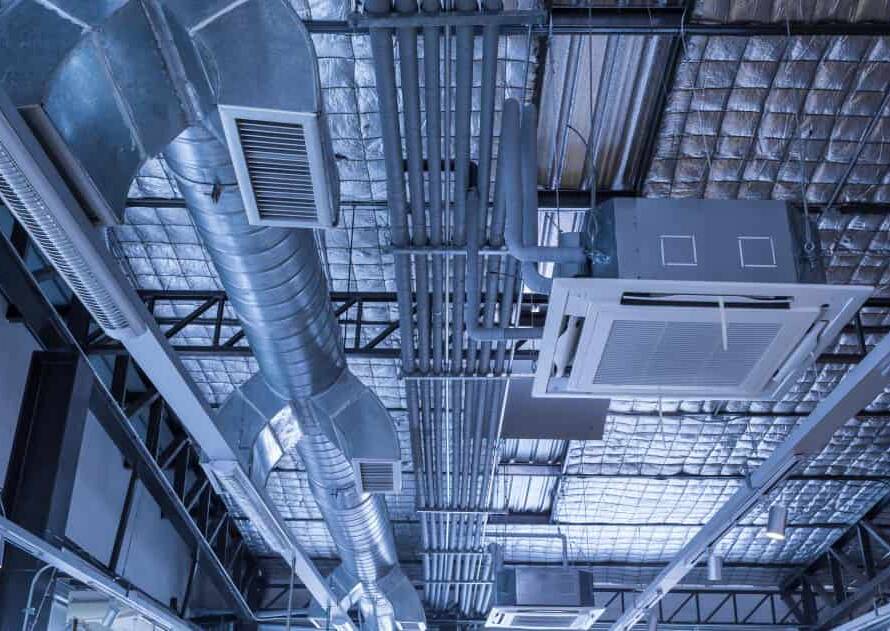
One of the most significant differences between ductless HVAC systems and traditional HVAC systems lies in how they are installed—a factor that can influence both cost and convenience. Traditional HVAC systems rely heavily on an extensive network of ducts to circulate air throughout a building. Installing these ducts is often a complex and labor-intensive process, particularly in older homes or commercial buildings that were not originally designed with ductwork in mind. The process may involve opening walls, ceilings, or floors, which can lead to higher installation costs, longer timelines, and significant disruption to the property. Even in new constructions, coordinating duct installation requires careful planning to ensure airflow efficiency and proper system performance. Population Go
In contrast, ductless HVAC systems are designed for simplicity and flexibility during installation. Instead of requiring large, interconnected ducts, ductless systems use individual indoor units that are connected to a single outdoor compressor via a small conduit. This conduit carries refrigerant, power, and a condensate line, allowing the system to function without the invasive construction work associated with traditional ductwork. As a result, the installation is typically faster, cleaner, and less expensive, making ductless systems an attractive solution for homeowners and businesses looking to upgrade or retrofit their existing spaces. theflashlist
Another key advantage of ductless HVAC installation is its adaptability. Each indoor unit can be strategically placed to optimize airflow and comfort for specific rooms or zones. This means that even spaces that are difficult to heat or cool with a central system—like additions, attics, or sunrooms—can be efficiently served without major structural changes. Additionally, the modular nature of ductless systems allows for future expansions or modifications with minimal effort, offering a level of flexibility that traditional HVAC systems often cannot match. kliemannbros
Ultimately, the installation process is not just about convenience—it also impacts long-term performance and costs. By eliminating ductwork, ductless HVAC systems reduce the potential for energy losses caused by leaks, blockages, or poorly insulated ducts, leading to improved efficiency and lower energy bills over time. For property owners seeking a practical, less invasive, and highly adaptable heating and cooling solution, understanding this fundamental difference in installation can make the decision between ductless and traditional systems much clearer.
2. Energy Efficiency
When it comes to heating and cooling, energy efficiency is one of the most important factors for homeowners and business owners alike. A system that consumes less energy not only reduces monthly utility bills but also minimizes environmental impact. One of the key differences between ductless HVAC systems and traditional HVAC systems is their approach to energy consumption and overall efficiency. kliemannbros
Traditional HVAC systems rely on a central unit that pushes heated or cooled air through a network of ducts to reach every room. While effective, this method often results in significant energy losses. In fact, studies have shown that poorly insulated or leaky ducts can waste up to 30% of the energy produced by a traditional HVAC system. Air leaks, poor duct design, and improper insulation all contribute to this inefficiency, forcing the system to work harder and consume more electricity to maintain desired temperatures. Over time, these energy losses can add up, leading to higher utility bills and increased wear on the system.
In contrast, ductless HVAC systems are designed with energy efficiency in mind. Because they do not rely on ducts, there is no risk of energy loss through leaks or poorly insulated pathways. Each indoor unit delivers conditioned air directly to the room it serves, ensuring that energy is used only where it is needed. Many ductless systems also feature inverter-driven compressors, which can adjust their speed to match the heating or cooling demand. This variable-speed operation allows the system to maintain consistent temperatures while using significantly less energy than traditional on-off compressors.Population Go
Another aspect of energy efficiency in ductless HVAC systems is zoning capability. By allowing users to control the temperature in individual rooms or zones, these systems prevent energy waste associated with cooling or heating unoccupied spaces. For example, a home office or guest room can be set at a lower or higher temperature than the main living area, saving energy without sacrificing comfort. Traditional systems, with their single thermostat controlling the entire home, often heat or cool areas unnecessarily, reducing efficiency.
Additionally, the modern design of ductless systems often includes advanced features like programmable timers, motion sensors, and smart home integration, all of which further enhance energy efficiency. These technologies ensure that the system operates only when needed and at optimal settings, reducing overall energy consumption while maintaining a comfortable indoor environment. theflashlist
In summary, energy efficiency is a clear advantage of ductless HVAC systems over traditional setups. By eliminating duct losses, providing targeted heating and cooling, and incorporating intelligent controls, ductless systems help homeowners and businesses save on energy costs while reducing their environmental footprint. For anyone looking to maximize comfort without wasting energy, understanding this difference is essential when choosing between a ductless or traditional HVAC system.
learn more : 10 Myths About Energy Efficiency You Should Stop Believing
3. Zoning Capabilities
One of the most significant advantages of ductless HVAC systems over traditional HVAC setups is their ability to offer precise zoning and individualized temperature control. Zoning refers to the ability to heat or cool different areas of a building independently, allowing each room to maintain its own comfort level. This capability can have a major impact on both comfort and energy efficiency, particularly in homes or commercial spaces with diverse temperature needs. kliemannbros
Traditional HVAC systems typically operate with a single central thermostat that regulates the temperature for the entire building. While this setup works for uniform spaces, it often leads to uneven heating or cooling in different rooms. For example, rooms farthest from the central unit may remain too warm in the summer or too cold in the winter, while spaces closer to the unit may be over-conditioned. Additionally, maintaining a consistent temperature throughout an entire building—regardless of occupancy—can lead to unnecessary energy consumption and higher utility bills.
In contrast, ductless HVAC systems are inherently designed for zoning. Each indoor unit operates independently and can be controlled individually, providing tailored comfort for every room. Whether it’s a master bedroom, a home office, a living area, or a conference room in a commercial setting, occupants can adjust the temperature to meet their personal preferences without affecting other zones. This flexibility is especially beneficial in multi-story homes or buildings with irregular layouts, where temperature variations are common. theflashlist
Zoning with ductless HVAC systems also allows for smarter energy management. Unused or rarely occupied rooms can be set to lower heating or cooling levels, reducing unnecessary energy usage. Conversely, high-traffic or frequently used areas can receive the exact amount of heating or cooling needed for comfort. Many modern ductless systems come with programmable schedules or smart home integration, enabling automated adjustments based on time of day, occupancy patterns, or even remote commands via smartphone apps. This level of control ensures that energy is only used where and when it’s needed, maximizing efficiency and reducing overall operating costs. Population Go
Moreover, the independent operation of ductless units reduces the strain on the system, as it doesn’t have to condition the entire building at once. This can extend the lifespan of the equipment and reduce maintenance needs over time. For families or businesses seeking both comfort and efficiency, the zoning capabilities of ductless HVAC systems make them an ideal solution, providing a personalized climate while minimizing waste.
In short, the zoning feature of ductless HVAC systems represents a major leap forward in customizable comfort. By allowing individual control of temperature in every room, ductless systems not only enhance comfort but also improve energy efficiency and reduce operating costs, offering benefits that traditional HVAC systems cannot easily match.
4. Flexibility and Space
Another major advantage of ductless HVAC systems is their exceptional flexibility when it comes to placement, space utilization, and overall adaptability. Unlike traditional HVAC systems, which rely on large central units and an extensive network of ducts, ductless systems are compact, modular, and much easier to integrate into a wide variety of spaces. This flexibility makes them an ideal solution for both residential and commercial properties, particularly those with unique layouts or limited space for conventional HVAC installations. kliemannbros
Traditional HVAC systems require significant space for ductwork, air handlers, and vents. In many older homes or office buildings, retrofitting ductwork can be a major challenge, often requiring modifications to ceilings, walls, or floors. Even in newly constructed buildings, the need for duct space can limit interior design options or reduce usable square footage. In addition, centralized systems may not be practical in spaces with multiple levels, unconventional layouts, or additions such as sunrooms or converted attics, where airflow distribution becomes inefficient and uneven.
In contrast, ductless HVAC units are small, wall-mounted, or ceiling-mounted, and can be installed in virtually any room with minimal disruption. Each indoor unit connects to a single outdoor compressor via a narrow conduit that carries power, refrigerant, and condensate, eliminating the need for bulky ducts. This design not only saves space but also allows for creative placement options that optimize both comfort and aesthetics. For example, units can be discreetly mounted high on walls to blend with the décor, or positioned strategically to maximize airflow in challenging areas. theflashlist
The modular nature of ductless HVAC systems also enhances their long-term flexibility. Property owners can install additional units in new rooms or zones as needs change, without requiring major renovations. This scalability makes ductless systems an excellent choice for growing families, expanding businesses, or any situation where heating and cooling requirements may evolve over time. In contrast, expanding a traditional ducted HVAC system typically involves costly and labor-intensive modifications to existing ducts and infrastructure.
Beyond installation and expansion, ductless systems also provide flexibility in terms of energy usage. Since each unit operates independently, rooms that are unused or less frequently occupied can remain at minimal conditioning levels, while high-traffic spaces receive full heating or cooling. This targeted operation allows for more efficient energy consumption without sacrificing comfort, further reinforcing the adaptability and practicality of ductless systems. Population Go
In summary, the flexibility and space advantages of ductless HVAC systems are clear. Their compact design, minimal installation footprint, and modular scalability make them ideal for a wide variety of settings—from modern apartments and historic homes to commercial offices and retail spaces. For property owners who value both comfort and adaptability, ductless systems offer a level of flexibility that traditional HVAC solutions simply cannot match.
5. Maintenance Requirements
Maintenance is a critical factor when comparing ductless HVAC systems to traditional HVAC setups. A system that is easy to maintain not only reduces long-term costs but also ensures consistent performance, reliability, and comfort throughout its lifespan. While traditional HVAC systems are effective, they often require more frequent, intensive maintenance due to their complex design and reliance on ductwork. kliemannbros
Traditional HVAC systems have numerous components that demand regular attention. The ductwork itself can accumulate dust, debris, and even mold over time, which can reduce airflow efficiency and impact indoor air quality. Cleaning ducts is labor-intensive and typically requires professional services, adding to ongoing maintenance costs. In addition, central units, air handlers, and large compressors have multiple moving parts that need regular inspection and servicing. Neglecting maintenance can lead to reduced efficiency, higher energy bills, and an increased likelihood of breakdowns.
In contrast, ductless HVAC systems are designed with simplicity and accessibility in mind, which makes maintenance more straightforward and manageable. Each indoor unit contains fewer moving parts than a central system, and most components are easily accessible for cleaning or replacement. Regular maintenance typically involves cleaning or replacing air filters, checking refrigerant levels, and ensuring that the condensate line and outdoor compressor are functioning correctly. Many ductless systems also have self-diagnostic features that alert users to potential issues before they become major problems, further reducing the need for costly repairs. theflashlist
Another advantage of ductless HVAC systems is the reduction of hidden maintenance issues. Without ductwork, there is no risk of leaks, blockages, or dust accumulation in hard-to-reach spaces. This not only improves system efficiency but also enhances indoor air quality, creating a cleaner and healthier environment. Additionally, because indoor units are individually controlled, maintenance can be performed on one zone at a time without disrupting comfort in the rest of the building—a convenience that traditional systems rarely offer.
Overall, the maintenance requirements of ductless HVAC systems are simpler, more efficient, and often less expensive than those of traditional HVAC setups. By minimizing the complexity of components and eliminating duct-related issues, ductless systems reduce both the time and money spent on upkeep. For homeowners and business owners who value reliability, low maintenance, and consistent performance, understanding these differences can be a major factor in choosing the right heating and cooling solution. Population Go
6. Noise Levels
Noise is an often-overlooked factor when choosing a heating and cooling system, but it can have a major impact on comfort, productivity, and overall satisfaction. One of the clear advantages of ductless HVAC systems over traditional HVAC setups is their significantly quieter operation, making them ideal for homes, offices, and other environments where low noise is important. kliemannbros
Traditional HVAC systems can generate noticeable noise due to the operation of large air handlers, fans, and compressors. In addition, the ductwork used to distribute air can amplify these sounds, creating a background hum or occasional loud bursts as air travels through the vents. For many homeowners and office occupants, these noises can be distracting, particularly in bedrooms, home offices, or quiet commercial spaces. Over time, constant exposure to system noise can reduce comfort and even lead to frustration with the system.
In contrast, ductless HVAC systems are designed to operate quietly and unobtrusively. The compressor and condenser are located outside the building, which isolates most of the operational noise from indoor spaces. Indoor units are engineered with low-speed fans and vibration-reducing components, allowing them to circulate air efficiently while producing minimal sound. Many models operate at noise levels as low as 19–30 decibels, roughly equivalent to a whisper or soft rustling, making them virtually inaudible in everyday living or working environments. Population Go
The quiet operation of ductless HVAC systems also contributes to overall comfort and well-being. In bedrooms, for example, quiet units ensure a restful night’s sleep without interruption. In offices or commercial settings, reduced noise levels can enhance concentration and productivity, creating a more pleasant environment for employees and clients alike. Additionally, because each indoor unit operates independently, users can adjust fan speeds to further control noise levels in different zones, ensuring that comfort is maintained without compromising peace and quiet.
Another advantage is that quieter systems often experience less mechanical strain. Since ductless units run at variable speeds and can adjust output based on the specific needs of each room, they avoid the constant on/off cycling typical of traditional systems, which can generate additional noise and wear on components over time. This not only prolongs the lifespan of the equipment but also maintains a consistently peaceful environment.
In summary, ductless HVAC systems offer a superior noise profile compared to traditional HVAC setups. By separating the compressor from indoor spaces, using low-noise fans, and providing independent zone control, ductless systems create a calm, quiet environment while maintaining effective heating and cooling. For anyone sensitive to noise or seeking to enhance the comfort of their living or working space, this feature makes ductless HVAC a compelling choice. theflashlist
7. Initial Costs vs Long-Term Savings
When evaluating heating and cooling options, cost is always a critical consideration. One of the main differences between ductless HVAC systems and traditional HVAC systems lies not just in the upfront investment, but also in the long-term financial implications. Understanding this balance can help property owners make a choice that aligns with both their budget and their long-term goals. kliemannbros
Traditional HVAC systems often have a lower initial cost, particularly if ductwork is already installed and in good condition. For new constructions or buildings with existing infrastructure, installing a central HVAC system may seem more economical at the outset. However, this initial affordability can be misleading when considering long-term expenses. Traditional systems typically have higher energy costs due to duct losses, less precise temperature control, and the need to condition all areas of a building regardless of occupancy. Over time, these inefficiencies can significantly increase utility bills and offset any initial savings.
In contrast, ductless HVAC systems may involve a higher upfront cost per unit, especially when multiple indoor units are needed to cover an entire home or commercial space. However, the long-term savings often outweigh the initial investment. Because ductless systems avoid energy losses associated with ductwork, they operate more efficiently, which directly translates to lower electricity bills. Additionally, the ability to control individual zones means energy is used only where and when it is needed, further reducing waste and costs. theflashlist
Maintenance and durability also play a role in long-term savings. Traditional HVAC systems require more extensive servicing due to duct cleaning, air handler maintenance, and component inspections. These recurring costs can add up over the years. In comparison, ductless HVAC systems are easier to maintain, with fewer moving parts and simplified servicing requirements. Regular filter cleaning and occasional professional check-ups are typically sufficient to keep the system running efficiently, reducing ongoing expenses.
Another factor contributing to long-term savings is the lifespan of the equipment. Ductless systems often enjoy longer operational lives because they experience less mechanical strain and have fewer components that are prone to wear and tear. Coupled with improved energy efficiency and reduced maintenance costs, this longevity enhances the overall return on investment.
Ultimately, when comparing ductless HVAC systems with traditional setups, it’s important to look beyond the initial price tag. While ductless systems may require a higher upfront expenditure, their efficiency, zoning capabilities, lower maintenance requirements, and long-term durability often result in significant savings over time. For homeowners and business owners who prioritize both comfort and financial efficiency, understanding this cost-benefit balance is essential in making a smart, informed decision. Population Go
8. Indoor Air Quality
Indoor air quality (IAQ) is a critical aspect of any heating and cooling system, as it directly affects health, comfort, and overall well-being. One of the standout benefits of ductless HVAC systems over traditional HVAC setups is their positive impact on indoor air quality, thanks to the elimination of ductwork and the inclusion of advanced filtration options. kliemannbros
Traditional HVAC systems rely on duct networks to circulate air throughout a building. While effective in distributing conditioned air, these ducts can also become a breeding ground for dust, allergens, mold, and other contaminants if not properly maintained. Even with regular cleaning, ducts can harbor particles that reduce air quality and trigger respiratory issues or allergies. Additionally, centralized systems often mix air from all areas of the building, meaning that pollutants from one room can quickly spread to others, potentially compromising the entire indoor environment.
In contrast, ductless HVAC systems deliver air directly into each room or zone without the use of ducts. This design inherently reduces the risk of contamination from dust and debris that accumulate in traditional ductwork. Many ductless systems also come equipped with high-efficiency filters capable of trapping fine particles, pollen, and even bacteria, which further enhances air quality. Some advanced units include activated carbon filters or anti-allergen technology, providing an added layer of protection for sensitive occupants.
Another advantage is that ductless HVAC systems allow for localized control of air circulation. Each unit can be adjusted individually, ensuring optimal ventilation and airflow in each room. This means that areas with higher usage or greater exposure to pollutants—such as kitchens, home offices, or rooms with pets—can benefit from more frequent air circulation and filtration, maintaining a cleaner and healthier environment throughout the building. theflashlist
Furthermore, the reduced humidity control issues in ductless systems also contribute to better indoor air quality. Traditional ducted HVAC systems can struggle with uneven humidity levels, creating environments where mold or mildew may thrive. Ductless systems, with their precise temperature and humidity control, help maintain balanced moisture levels, further reducing the potential for airborne contaminants.
In summary, ductless HVAC systems provide a significant advantage in maintaining clean, healthy, and comfortable indoor air. By eliminating ducts, offering advanced filtration options, and allowing precise control over airflow in individual zones, these systems create an environment that is safer and more pleasant for occupants. For anyone concerned with air quality, particularly those with allergies, asthma, or respiratory sensitivities, the benefits of a ductless HVAC system are clear and compelling. Population Go
learn more : 12 Strategies to Improve Indoor Air Quality in Commercial Spaces
Conclusion
Choosing the right heating and cooling system is more than just a matter of comfort—it’s a decision that affects energy efficiency, long-term costs, maintenance, noise levels, and even indoor air quality. Throughout this article, we’ve explored the eight key differences between ductless HVAC systems and traditional HVAC setups, highlighting how each approach impacts installation, efficiency, zoning, flexibility, maintenance, noise, cost, and air quality.
For homeowners and business owners seeking a solution that maximizes energy savings, provides precise temperature control, and reduces maintenance challenges, ductless HVAC systems offer clear advantages. Their modular design, quiet operation, and superior indoor air quality make them especially appealing for modern living and working environments. While traditional HVAC systems may still be appropriate in certain scenarios—such as properties with existing ductwork or specific budget constraints—the benefits of ductless systems in terms of efficiency, adaptability, and long-term value are hard to ignore.
Ultimately, investing in a ductless HVAC system is not just about upgrading your heating and cooling equipment; it’s about making a strategic choice that enhances comfort, reduces energy costs, and supports a healthier, more sustainable environment. By understanding the unique advantages of ductless systems, property owners can make informed decisions that meet both immediate needs and future goals, ensuring a comfortable and efficient indoor climate for years to come.