

Table of Contents
Heating, Ventilation, and Air Conditioning (HVAC) systems play a central role in maintaining thermal comfort, indoor air quality, and overall building efficiency in both residential and commercial properties. Whether it is cooling during peak summer temperatures or heating throughout colder months, HVAC equipment operates for extended hours and consumes a substantial amount of electricity. Because of this continuous demand, even minor inefficiencies in performance or maintenance can have a noticeable impact on your Electricity Bills over time.
In many homes and office buildings, HVAC systems represent the largest share of total energy consumption — often accounting for 40% to 60% of overall usage according to data from the U.S. Department of Energy. This means that any operational mistake, neglected service routine, or outdated component can quickly translate into higher monthly Electricity Bills. What might appear as a small issue — such as a clogged filter or slightly inaccurate thermostat setting — can force the system to run longer cycles, consume more power, and gradually drive your Electricity Bills upward.
Poor maintenance is one of the leading contributors to rising Electricity Bills. When coils become dirty, airflow becomes restricted, or refrigerant levels are imbalanced, the system must work significantly harder to achieve the desired temperature. This additional strain not only reduces energy efficiency but also increases wear and tear, potentially leading to costly repairs alongside elevated Electricity Bills. Similarly, incorrect usage habits — such as setting extreme indoor temperatures or constantly adjusting thermostat settings — can disrupt system efficiency and further inflate Electricity Bills without delivering meaningful comfort improvements.
Outdated HVAC equipment is another critical factor. Older systems are typically less energy-efficient than modern ENERGY STAR® certified models recommended by organizations such as ENERGY STAR. As components age, their efficiency naturally declines, requiring more electricity to produce the same heating or cooling output. Over time, this gradual loss of performance can become a hidden driver behind steadily increasing Electricity Bills, even if no major mechanical failure is immediately visible.
If you’ve recently noticed your Electricity Bills climbing without a clear explanation, your HVAC system may be the underlying cause. Energy losses are not always obvious — they often develop slowly through a combination of small operational mistakes and overlooked maintenance tasks. Identifying and correcting these issues can significantly improve system efficiency, reduce unnecessary energy consumption, and stabilize your Electricity Bills in the long term.
Below are seven critical HVAC mistakes that directly impact energy performance and contribute to higher Electricity Bills, along with insights on how to prevent them and protect your energy budget.
1. Ignoring Regular HVAC Maintenance
One of the most common and costly mistakes that leads to rising Electricity Bills is neglecting regular HVAC maintenance. Many homeowners and facility managers assume that as long as the heating or cooling system is still functioning, it does not require professional inspection or servicing. However, HVAC systems are complex mechanical units that operate for hundreds or even thousands of hours each year. Without proper maintenance, their efficiency gradually declines, causing them to consume more electricity and significantly increase Electricity Bills over time.
During normal operation, dust, dirt, and debris naturally accumulate on key system components such as evaporator coils, condenser coils, blower motors, and fans. When these parts become dirty or obstructed, airflow decreases and heat exchange becomes less effective. As a result, the HVAC system must work harder and run longer cycles to achieve the same indoor temperature. This additional workload directly increases energy consumption and contributes to higher Electricity Bills each month. U.S. Department of Energy
Another hidden consequence of poor maintenance is reduced system performance. Refrigerant levels may become unbalanced, electrical connections can loosen, and moving components may experience increased friction if not properly lubricated. These small mechanical inefficiencies gradually force the system to operate less efficiently, which means it requires more power to deliver the same level of heating or cooling. Over time, this inefficiency steadily drives up Electricity Bills while also increasing the likelihood of expensive breakdowns.
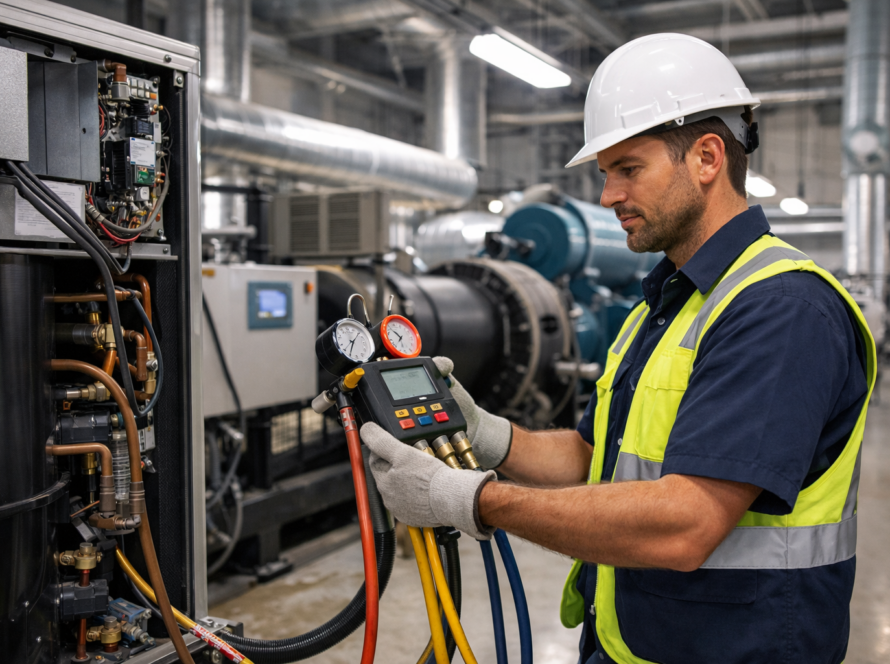
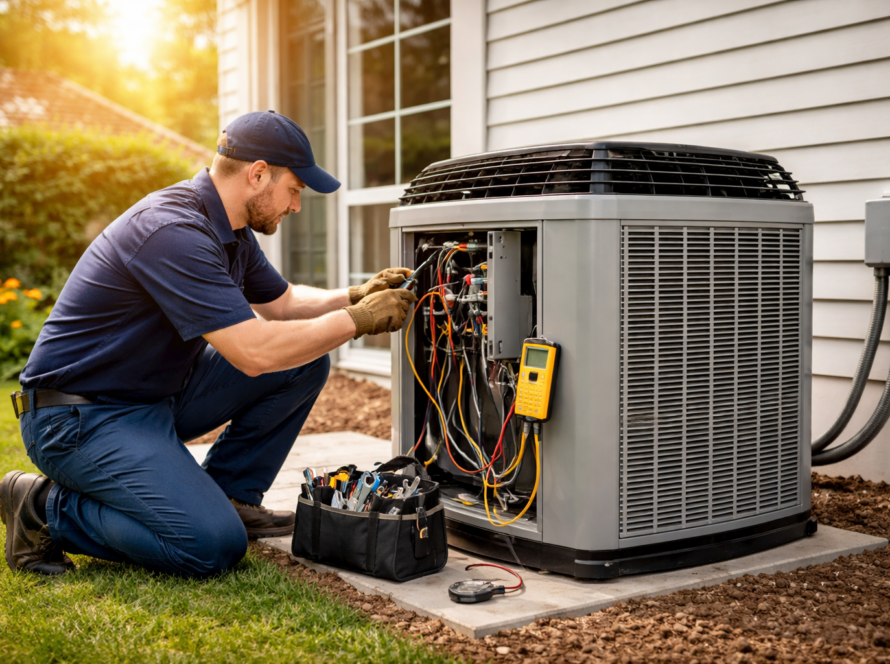
Regular professional maintenance helps identify and resolve these issues before they escalate. HVAC technicians typically inspect and clean critical components, check refrigerant pressure, test thermostat accuracy, tighten electrical connections, and ensure proper airflow throughout the system. These preventive steps improve energy efficiency and reduce unnecessary strain on the equipment, which can significantly lower Electricity Bills while extending the lifespan of the HVAC system.
Energy experts, including the U.S. Department of Energy, emphasize that routine HVAC maintenance can improve system efficiency by up to 15%. This improvement not only helps reduce Electricity Bills but also ensures more consistent indoor comfort and better air quality throughout the building.
To avoid unnecessary increases in Electricity Bills, it is recommended to schedule professional HVAC maintenance at least twice per year—typically once before the cooling season and once before the heating season. Consistent maintenance ensures your system operates at peak efficiency, prevents energy waste, and keeps your Electricity Bills under control in the long run.
Learn more :Top 10 Benefits of Annual HVAC Maintenance Plans
2. Failing to Replace Air Filters on Time
Another critical mistake that significantly increases Electricity Bills is failing to replace HVAC air filters on time. While air filters may seem like a small and inexpensive component, they play a vital role in maintaining airflow efficiency and overall system performance. When filters are neglected, they gradually become clogged with dust, dirt, pet dander, and other airborne particles. This buildup restricts airflow, forcing the HVAC system to work much harder than necessary — and that extra effort directly impacts your Electricity Bills.
Proper airflow is essential for efficient heating and cooling. When a filter becomes dirty, the system struggles to pull in and circulate air throughout the building. As a result, the HVAC unit must run longer cycles to reach the set temperature. These extended run times increase electricity consumption and steadily drive up Electricity Bills. What might start as a minor delay in temperature adjustment can turn into a consistent pattern of energy waste.
Clogged filters also affect heat exchange efficiency. In cooling mode, restricted airflow can cause evaporator coils to become too cold and potentially freeze, further reducing system performance. In heating mode, airflow limitations can lead to overheating within the system. Both situations force the equipment to consume more power, adding unnecessary strain and contributing to higher Electricity Bills. ENERGY STAR
Beyond energy consumption, neglected air filters can reduce indoor air quality. Dust and allergens may circulate more freely, creating an unhealthy indoor environment. When the system becomes overburdened by restricted airflow, internal components experience additional wear and tear, which may lead to costly repairs — expenses that often accompany already elevated Electricity Bills.
Replacing air filters regularly is one of the simplest and most cost-effective ways to maintain HVAC efficiency. Most systems require filter replacement every 1 to 3 months, depending on usage, environmental conditions, and whether pets are present. By ensuring consistent airflow and optimal system performance, timely filter replacement helps reduce unnecessary energy use and keeps Electricity Bills under control.
In short, overlooking this small maintenance task can have a surprisingly large impact. A clean filter supports efficient operation, protects system components, improves indoor air quality, and most importantly, prevents avoidable increases in Electricity Bills.
3. Incorrect Thermostat Settings
Improper thermostat use is one of the most overlooked factors that can dramatically increase your Electricity Bills. Many homeowners and building occupants believe that setting the temperature lower in the summer or higher in the winter will speed up comfort, but in reality, extreme thermostat settings force your HVAC system to work much harder than necessary, consuming significantly more electricity. Over time, these inefficient habits can account for a substantial portion of your monthly Electricity Bills.
Frequent adjustments and sudden temperature changes cause the HVAC system to constantly cycle on and off. Each cycle consumes energy not only to reach the desired temperature but also to maintain it. This start-stop pattern is far less efficient than maintaining a consistent temperature, and it directly translates to higher Electricity Bills. Even small fluctuations of a few degrees, if repeated throughout the day, can add up to a considerable increase in energy costs. EPA
Many traditional thermostats lack precision and often fail to maintain a stable indoor climate, further exacerbating energy consumption. Smart or programmable thermostats, however, offer a practical solution by automatically adjusting temperatures based on occupancy patterns, time of day, or seasonal changes. Using these devices ensures that your HVAC system operates only when necessary, which reduces unnecessary electricity usage and helps control Electricity Bills.
Additionally, positioning the thermostat incorrectly can mislead the system. For example, placing it near direct sunlight, heating vents, or drafty areas can cause inaccurate temperature readings, leading the HVAC system to overwork. This extra energy expenditure inflates Electricity Bills without improving comfort.
By adopting proper thermostat strategies — such as maintaining moderate temperature settings, using programmable or smart devices, and placing the thermostat in an optimal location — you can significantly reduce unnecessary energy consumption. Correct thermostat use ensures your HVAC system operates efficiently, prevents wasteful energy cycles, and helps keep your Electricity Bills at a manageable level.
4. Leaky Ductwork
Leaky or poorly sealed ductwork is another major contributor to rising Electricity Bills. Many homeowners and building managers underestimate the impact of hidden leaks in the HVAC duct system. Even small gaps, holes, or disconnected sections can allow heated or cooled air to escape before it reaches the intended rooms. This not only reduces comfort but forces the HVAC system to work harder to compensate for the lost airflow, resulting in significantly higher Electricity Bills.
According to the U.S. Department of Energy, duct leakage can account for energy losses of 20% or more in some buildings. When conditioned air escapes into unoccupied spaces such as attics, crawl spaces, or walls, the HVAC system must generate additional heating or cooling to maintain the desired indoor temperature. This unnecessary energy consumption directly inflates Electricity Bills, often without occupants realizing the root cause.
Leaky ducts also impact system performance. Reduced airflow can cause uneven temperatures, hotspots, or cold zones within the building, prompting occupants to adjust thermostats more aggressively. These repeated adjustments further increase energy usage and exacerbate the rise in Electricity Bills. Over time, persistent leaks place extra strain on fans, compressors, and other critical components, leading to reduced efficiency and higher maintenance costs. ASHRAE
Sealing and insulating ductwork is one of the most effective ways to prevent these energy losses. Professional technicians can perform thorough inspections using tools such as duct blasters or smoke tests to locate leaks. Proper sealing with mastic or metal tape and adding insulation where needed ensures that conditioned air reaches its intended destination efficiently. This not only improves comfort but can reduce energy waste and stabilize your Electricity Bills.
In summary, neglected or leaky ducts are a hidden but significant source of wasted energy. By addressing duct issues, you allow your HVAC system to operate more efficiently, reduce unnecessary electricity consumption, and prevent your Electricity Bills from climbing due to avoidable losses.
5. Using an Oversized or Undersized HVAC Unit
Choosing the wrong size HVAC system for your building is a critical mistake that can drastically increase your Electricity Bills. Many homeowners and facility managers assume that a bigger unit will cool or heat faster, or that a smaller unit will save energy, but both scenarios often backfire. An HVAC system that is either oversized or undersized for your space operates inefficiently, consumes more electricity, and drives up your Electricity Bills unnecessarily.
An oversized unit cools or heats the area too quickly, causing frequent on-and-off cycles known as short cycling. Each time the system powers up, it draws a surge of electricity, which is significantly higher than energy consumption during normal, steady operation. These repeated cycles prevent the system from running long enough to dehumidify air properly, reducing indoor comfort while inflating your Electricity Bills.
On the other hand, an undersized HVAC system struggles to reach and maintain the desired temperature. It must run continuously at full capacity, consuming large amounts of electricity over extended periods. This constant operation not only increases Electricity Bills but also accelerates wear and tear, potentially leading to costly repairs or even premature system replacement.
Proper sizing requires a professional load calculation that considers factors such as square footage, ceiling height, insulation quality, window type, and local climate. This ensures the HVAC system matches your building’s specific heating and cooling needs, operates efficiently, and avoids unnecessary energy expenditure. A correctly sized system maintains consistent indoor temperatures without overworking, which directly helps reduce your Electricity Bills.
In summary, choosing the right HVAC unit size is essential for energy efficiency. Oversized or undersized systems force the unit to work inefficiently, driving up electricity consumption and increasing your Electricity Bills. Professional sizing and careful planning are key steps in optimizing both comfort and energy costs.
6. Poor Insulation and Air Leaks
Even the most advanced HVAC system cannot operate efficiently if your building is poorly insulated or full of air leaks. Gaps around windows, doors, walls, or ceilings allow conditioned air to escape, forcing the HVAC system to work harder to maintain the desired indoor temperature. This extra workload directly contributes to higher Electricity Bills, often without occupants realizing that energy loss is occurring outside the HVAC system itself.
Poor insulation reduces the building’s ability to retain heat in the winter or keep cool air inside during the summer. As a result, the HVAC system must run longer cycles, consuming more electricity and driving up your Electricity Bills. For example, a home with inadequate attic insulation can lose a significant portion of heated or cooled air, forcing the system to operate almost continuously. Over time, this inefficiency becomes a major driver of unnecessarily high Electricity Bills. IEA
Air leaks around doors, windows, and ductwork further amplify energy waste. Even small cracks and gaps can account for substantial heat loss or gain, depending on the season. When warm or cool air escapes, the HVAC system compensates by increasing airflow or extending run times, which leads to higher energy consumption and elevated Electricity Bills.
Addressing insulation and sealing air leaks is one of the most cost-effective ways to improve HVAC efficiency and reduce energy costs. Adding insulation to walls, attics, and floors, and using weather stripping or caulking around doors and windows, can drastically reduce energy loss. Additionally, sealing duct leaks ensures that conditioned air reaches its intended destination efficiently, further lowering unnecessary electricity usage.
In short, investing in proper insulation and eliminating air leaks not only enhances comfort but also allows your HVAC system to operate efficiently, reducing energy waste and helping keep your Electricity Bills under control.
7. Delaying System Upgrades
Delaying the replacement of an aging HVAC system is a mistake that can silently inflate your Electricity Bills over time. Older heating and cooling units are generally less energy-efficient than modern, ENERGY STAR® certified systems. As components wear down and technology becomes outdated, these units require more electricity to achieve the same level of heating or cooling, gradually increasing your Electricity Bills without any visible sign of failure.
Older systems often lack advanced features like variable-speed compressors, smart thermostats, or improved refrigerants, all of which are designed to optimize energy use. Without these improvements, the system operates in a less efficient manner, consuming more power for every heating or cooling cycle. Even if the system appears to be functioning normally, the inefficiency adds up over time, resulting in significantly higher Electricity Bills. U.S. Department of Energy
Proactively upgrading to a modern HVAC system not only improves performance and comfort but also delivers measurable energy savings. ENERGY STAR-certified units can reduce electricity consumption by 15–20% or more, directly impacting your monthly Electricity Bills. Additionally, newer systems often come with programmable and smart thermostat compatibility, allowing for precise temperature control and further reduction in unnecessary energy use.
In summary, postponing HVAC system upgrades allows inefficiency to continue unchecked, causing higher electricity consumption and steadily increasing Electricity Bills. Investing in a modern, energy-efficient unit is a long-term solution that reduces energy waste, enhances comfort, and helps maintain lower monthly costs.
Learn more :10 Energy-Saving Upgrades Every Property Should Consider
Conclusion
High Electricity Bills are frequently the result of avoidable HVAC mistakes. From ignoring routine maintenance and failing to replace air filters to using incorrect thermostat settings, leaky ductwork, poorly sized units, inadequate insulation, and delaying system upgrades, each issue contributes to energy inefficiency and unnecessary electricity consumption.
Addressing these seven critical mistakes can dramatically improve system performance, reduce energy waste, and stabilize your Electricity Bills. Simple actions such as scheduling regular maintenance, replacing filters on time, optimizing thermostat use, sealing ducts, ensuring proper insulation, and investing in energy-efficient upgrades allow your HVAC system to operate at peak efficiency. By taking a proactive approach, you can enjoy a more comfortable indoor environment while controlling energy costs and preventing avoidable spikes in your Electricity Bills.