

Table of Contents
In today’s fast-paced world, optimizing HVAC Energy usage goes far beyond merely reducing monthly bills — it’s about achieving a balance between comfort, sustainability, and long-term efficiency. For both homeowners and businesses, heating, ventilation, and air conditioning systems often represent one of the largest portions of energy consumption. This makes them a major factor in operational costs, environmental impact, and even the longevity of the equipment itself.
With energy costs steadily rising and environmental concerns gaining more attention, taking deliberate steps to lower HVAC Energy usage has become more important than ever. Implementing smart, practical strategies can not only save significant amounts of money over time but also extend the life of your HVAC system, improve indoor comfort, and reduce your carbon footprint.
According to the U.S. Environmental Protection Agency’s ENERGY STAR program, “Your heating and cooling system accounts for nearly half of the energy used in your home. Making informed, strategic choices about your HVAC system can significantly reduce utility bills while maintaining optimal comfort levels.
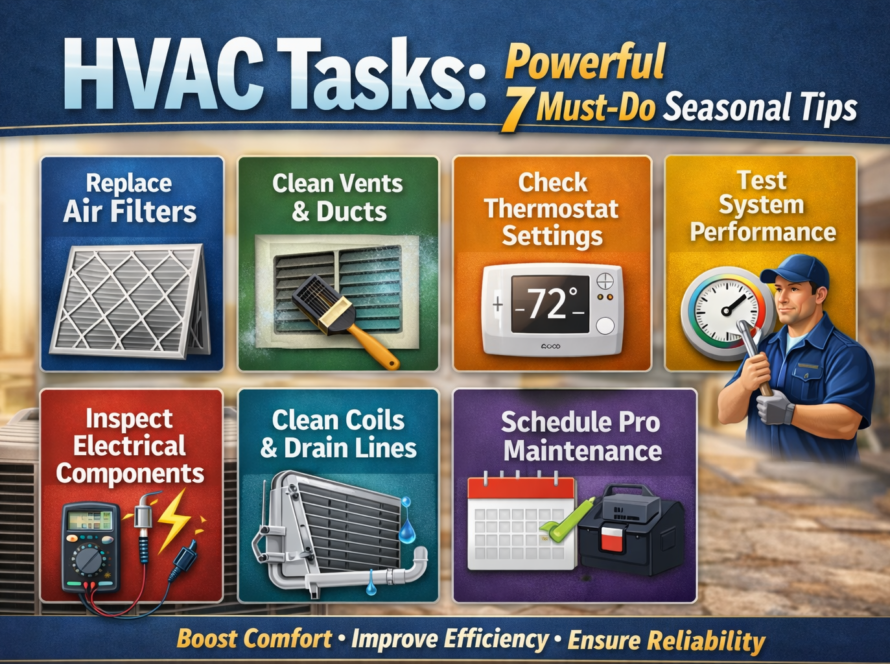
By understanding the key factors that drive HVAC Energy consumption and adopting proven energy-saving practices, you can transform your home or workplace into a more efficient, cost-effective, and environmentally conscious space. In this article, we will explore seven actionable strategies to reduce your HVAC Energy bills this year — from routine maintenance and smart thermostat installation to advanced efficiency upgrades and airflow optimization — backed by expert insights and trusted sources.
1. Schedule Regular Maintenance & Tune‑Ups
One of the most effective ways to lower your HVAC Energy bills is to ensure your system receives consistent professional maintenance. HVAC systems, much like cars, require routine check-ups to operate efficiently and avoid costly breakdowns. Neglecting maintenance not only leads to higher energy consumption but also shortens the lifespan of your equipment. U.S. Department of Energy
Regular maintenance allows trained HVAC technicians to inspect and optimize every component of your system. This includes cleaning and lubricating moving parts, checking refrigerant levels, examining ductwork for leaks, and testing airflow. Each of these tasks plays a crucial role in ensuring that your heating, ventilation, and air conditioning system runs at peak efficiency. When your system operates efficiently, it consumes less energy, directly translating into lower HVAC Energy costs.
According to the U.S. Department of Energy, well-maintained HVAC systems can operate up to 15% more efficiently than neglected systems. This can result in substantial savings on monthly energy bills, especially for households or commercial spaces that rely heavily on heating or cooling year-round.
Even simple maintenance practices, such as replacing worn belts, cleaning condenser coils, or adjusting thermostat calibration, can significantly improve system efficiency. In many cases, issues that appear minor — like a dirty coil or low refrigerant — can cause the system to work harder, consuming unnecessary HVAC Energy and increasing utility bills over time.
💡 Pro Tip: Schedule your HVAC system tune-ups at least twice a year — once in the spring for cooling and once in the fall for heating. Early inspections can identify problems before peak seasons, saving you from emergency repairs and excessive energy use.
Investing in regular maintenance isn’t just about immediate cost savings. Over time, a well-maintained system lasts longer, performs better, and reduces your overall carbon footprint, making it a smart financial and environmental choice. As one HVAC expert puts it:
“Routine maintenance is the single most effective way to ensure your system delivers comfort efficiently. A neglected system may survive for years, but it will cost you significantly more in energy and repairs.”
By prioritizing maintenance, you are taking a critical first step toward reducing HVAC Energy consumption and ensuring that your home or business remains comfortable without unnecessary expense.
Discover more : 12 Benefits of Regular HVAC Tune-Ups for Large Facilities
2. Replace and Clean Filters Often
Air filters are the unsung heroes of your HVAC system, yet they are often overlooked. Dirty or clogged filters are one of the leading causes of excessive HVAC Energy consumption. When a filter is clogged with dust, pollen, pet hair, or other debris, your system must work harder to push air through the obstruction. This extra strain not only increases energy use but can also cause premature wear on key components such as fans, motors, and coils.
According to the U.S. Department of Energy, replacing a dirty air filter can increase HVAC efficiency by 5–15%, depending on the severity of the blockage. For homes and businesses where the HVAC system runs continuously, this translates to noticeable reductions in HVAC Energy bills. ENERGY STAR
Why Filters Matter
Filters serve two main purposes:
- Protecting your HVAC system: By trapping dust and debris, filters prevent buildup on critical components, which can lead to costly repairs or system failure.
- Maintaining indoor air quality: A clean filter improves the quality of air circulating in your home or office, reducing allergens, bacteria, and other pollutants.
When either of these functions is compromised, your HVAC system struggles to maintain the desired temperature efficiently, consuming more HVAC Energy than necessary. U.S. Department of Energy
Best Practices for Filter Maintenance
- Check monthly: Even if your filter is designed to last three months, frequent inspection helps prevent unexpected clogging.
- Replace or clean as needed: Homes with pets, smokers, or high pollen exposure may require more frequent replacements — sometimes as often as every 30 days.
- Choose the right filter: MERV-rated filters provide different levels of filtration; selecting a filter that balances efficiency with airflow is critical. Too restrictive a filter can itself reduce efficiency and increase energy consumption. ENERGY STAR
“Regularly replacing your HVAC filters is one of the easiest ways to improve system efficiency and reduce energy waste. A clean filter ensures optimal airflow, reduces strain on equipment, and helps lower your monthly energy bills.” — Certified HVAC Technician, paraphrased.
By keeping your filters clean and timely replacing them, you not only safeguard your system but also actively reduce HVAC Energy usage. Over a year, consistent filter maintenance can result in noticeable cost savings, improved comfort, and a longer-lasting HVAC system.
💡 Pro Tip: Consider setting a reminder to check or replace your filters every 30–60 days. Some smart HVAC systems can even alert you when filter performance drops, making maintenance effortless. U.S. Department of Energy
3. Install a Smart or Programmable Thermostat
One of the most powerful tools for controlling HVAC Energy consumption is a modern thermostat. Traditional manual thermostats often lead to wasted energy because they maintain constant temperatures regardless of occupancy or outside conditions. Smart and programmable thermostats, on the other hand, allow you to optimize heating and cooling schedules, improving comfort while significantly reducing unnecessary energy usage.
Why Thermostats Matter for HVAC Energy Efficiency
Heating and cooling systems account for nearly half of the energy used in an average home, according to ENERGY STAR. A smart thermostat gives you precise control over how and when your HVAC system operates, ensuring it only uses energy when needed. By automatically adjusting temperatures based on daily routines, occupancy, or even weather forecasts, these devices prevent overcooling or overheating — two major sources of wasted HVAC Energy. ENERGY STAR
Benefits of Smart and Programmable Thermostats
- Automated Scheduling: Set your HVAC system to lower energy use while you’re away or asleep and return to comfort before you wake or arrive home.
- Remote Control: Many smart thermostats can be managed from your smartphone, tablet, or computer, allowing adjustments even when you’re not on-site.
- Energy Monitoring: Smart thermostats track your energy usage patterns, giving insights into which habits or settings consume the most HVAC Energy.
- Integration with Other Smart Devices: Some thermostats can communicate with home automation systems, lighting, and even weather alerts to optimize energy efficiency further.
“A programmable thermostat is like giving your HVAC system a personal coach. It keeps the system running efficiently without sacrificing comfort, and the savings can be substantial over a year.” — HVAC Efficiency Expert (paraphrased)
Maximizing Savings with Your Thermostat
- Adjust for occupancy: Reduce heating or cooling when rooms are unoccupied. For example, lowering the temperature by just 7–10°F for eight hours a day can reduce energy use by up to 10%.
- Set gradual changes: Avoid abrupt temperature shifts that can force your HVAC system to work harder and use more HVAC Energy.
- Take advantage of learning features: Many modern smart thermostats learn your habits and adjust automatically, optimizing comfort and efficiency without requiring constant manual input.
By installing a smart or programmable thermostat, you not only reduce your HVAC Energy bills but also gain more control over your home or office environment. Even small, consistent adjustments can lead to significant annual savings, making this a cost-effective, practical upgrade. ENERGY STAR
💡 Pro Tip: Pair your smart thermostat with ceiling fans or zoned HVAC control to amplify energy savings without compromising comfort.
Learn more : 8 Expert Strategies to Boost Your HVAC Energy Efficiency
4. Seal Leaks & Improve Insulation
Even the most efficient HVAC system can lose significant energy if your home or building isn’t properly sealed and insulated. Air leaks, poor insulation, and gaps around windows, doors, and ductwork force your heating and cooling system to work harder, consuming more HVAC Energy while struggling to maintain comfortable indoor temperatures.
Why Sealing and Insulating Matters
According to the U.S. Department of Energy, as much as 30% of conditioned air can escape through leaks in walls, roofs, and duct systems. This wasted energy not only inflates your HVAC Energy bills but also reduces comfort, creating cold spots in winter or overheated areas in summer.
Proper sealing and insulation ensure that the energy your HVAC system produces actually stays inside the living or working space where it’s needed. This reduces the workload on your system, prevents unnecessary energy waste, and extends the life of your equipment. ENERGY STAR
Key Areas to Focus On
- Windows and Doors: Use weatherstripping or caulking to seal gaps where air leaks occur. Even small cracks can allow conditioned air to escape.
- Attics and Crawl Spaces: Adding or upgrading insulation in attics, walls, and crawl spaces can dramatically improve thermal efficiency.
- Ductwork: Ensure ducts are sealed and insulated, especially those running through unconditioned areas. Leaky ducts can lose up to 20% of your system’s output before it reaches living spaces.
- Electrical Outlets and Switches: Small openings around outlets or electrical boxes on exterior walls can allow drafts; seal them with foam or insulation gaskets.
“Sealing leaks and improving insulation is one of the most cost-effective ways to reduce HVAC energy use. Even minor air leaks can add hundreds of dollars to annual energy costs if left unaddressed.” — Certified Energy Auditor (paraphrased)
Tips for Maximizing Energy Savings
- Conduct a home energy audit: This can identify hidden leaks and insulation gaps. Many utility companies offer free or discounted audits.
- Use high-quality materials: Proper insulation with the correct R-value for your climate zone maximizes energy retention.
- Check regularly: Over time, seals and insulation can degrade; periodic inspection ensures sustained efficiency.
By investing in sealing and insulation, you create a tighter, more energy-efficient building envelope. This reduces the workload on your HVAC system, lowers HVAC Energy consumption, and improves comfort throughout the year. In many cases, homeowners see 15–30% reductions in heating and cooling costs simply by addressing air leaks and upgrading insulation. ENERGY STAR
💡 Pro Tip: Combine insulation improvements with smart thermostat programming and ceiling fans for a holistic approach to energy efficiency and comfort.
5. Optimize Airflow & Ventilation
Even the most advanced HVAC system can struggle to perform efficiently if airflow and ventilation are not properly managed. Poor airflow forces your system to work harder, increasing HVAC Energy consumption and potentially shortening the lifespan of key components. Optimizing how air moves through your home or commercial space is a simple yet powerful way to improve comfort while reducing energy costs.
Why Airflow and Ventilation Matter
Airflow determines how evenly heated or cooled air is distributed throughout a space. When airflow is restricted — due to blocked vents, improperly sized ducts, or leaky ductwork — certain areas may become too hot or too cold. This imbalance prompts your HVAC system to run longer cycles, consuming additional HVAC Energy in the process.
Proper ventilation also plays a crucial role in maintaining indoor air quality. Stale air can accumulate pollutants, humidity, and allergens, which may force HVAC systems to run more frequently to maintain comfortable and healthy conditions.
Practical Steps to Optimize Airflow
- Keep vents and registers unobstructed: Furniture, rugs, or curtains that block vents reduce airflow and force your HVAC system to work harder.
- Seal and insulate ducts: Leaky ducts can waste up to 20% of conditioned air before it reaches living spaces, dramatically increasing HVAC Energy consumption. Use mastic sealant or foil-backed tape to seal leaks.
- Balance airflow: Ensure each room receives appropriate airflow by adjusting vent dampers or hiring a professional to perform duct balancing.
- Use exhaust fans wisely: Kitchen and bathroom exhaust fans remove moisture and odors but can also pull conditioned air out of your space if left running unnecessarily.
“Optimizing airflow is one of the most overlooked ways to save energy. Even small adjustments to vent placement, duct sealing, and airflow balancing can lead to noticeable reductions in energy bills.” — HVAC Efficiency Specialist (paraphrased)
Advanced Tips
- Consider installing zoned HVAC systems, which allow different areas of your home or office to be heated or cooled independently. This minimizes energy waste by delivering conditioned air only where it’s needed.
- Use ceiling fans to improve circulation, allowing the HVAC system to maintain consistent temperatures with less effort.
- Periodically inspect ductwork for damage, loose connections, or accumulation of debris that could impede airflow.
By optimizing airflow and ventilation, you improve HVAC Energy efficiency while enhancing comfort and air quality. Small changes, like clearing vents or sealing ducts, can yield significant energy savings over time. When combined with other energy-saving measures, these improvements can make your heating and cooling system far more efficient and cost-effective.
💡 Pro Tip: Pair duct sealing with a programmable or smart thermostat for maximum impact on energy reduction and comfort. ENERGY STAR
6. Use Ceiling Fans and Zone Control
A highly effective yet often underutilized way to reduce HVAC Energy consumption is by integrating ceiling fans and zoning controls into your heating and cooling strategy. These solutions help distribute air more efficiently, maintain consistent temperatures, and allow targeted heating or cooling — all of which reduce the workload on your HVAC system and lower energy bills.
Ceiling Fans: Small Device, Big Impact
Ceiling fans do more than provide a gentle breeze. They enhance your HVAC system’s performance by improving air circulation throughout a room:
- In summer: Fans set to rotate counterclockwise create a cooling wind-chill effect, making you feel cooler without lowering the thermostat. This allows you to raise your thermostat a few degrees, saving on HVAC Energy.
- In winter: Fans reversed to clockwise push warm air trapped near the ceiling downward, helping maintain even room temperatures and reducing the need for prolonged heating cycles.
“Ceiling fans are an inexpensive yet highly effective way to reduce the load on your HVAC system. Proper use can lower energy consumption while keeping comfort levels high.” — Certified HVAC Technician (paraphrased)
Zone Control: Targeted Heating and Cooling
Zoned HVAC systems allow you to divide your home or building into separate areas, each with its own thermostat and controls. This targeted approach ensures that you only heat or cool spaces that are occupied, reducing wasted energy in unused rooms:
- Energy savings: By focusing conditioning only where it’s needed, you can reduce HVAC Energy consumption significantly — especially in larger homes or commercial spaces.
- Enhanced comfort: Different family members or office areas can enjoy customized temperatures without affecting others.
- System longevity: Reducing unnecessary strain on your HVAC system through zoning helps extend its operational life.
Practical Tips for Maximum Efficiency
- Combine fans with thermostats: Adjust ceiling fans when changing thermostat settings to amplify energy savings.
- Close vents in unused rooms: If your system allows, redirect airflow to areas in use and reduce HVAC Energy usage in empty spaces.
- Upgrade to smart zoning: Modern zone control systems integrate with smart thermostats, allowing for automated, efficient adjustments based on occupancy and time of day.
Integrating ceiling fans and zone control with your existing HVAC system creates a holistic, energy-efficient approach to heating and cooling. Not only does this reduce HVAC Energy usage, but it also improves comfort, air circulation, and overall system performance.
💡 Pro Tip: For the best results, ensure that ceiling fans are used strategically and that zone controls are calibrated by a certified professional to match your building’s layout and HVAC capacity.
7. Consider Modern, High-Efficiency HVAC Equipment
If your HVAC system is over a decade old, upgrading to a modern, high-efficiency unit can dramatically reduce HVAC Energy consumption while improving comfort and reliability. Older systems often operate with outdated technology, lower efficiency ratings, and wear that reduces performance over time. Investing in a newer system is not just about comfort—it’s a long-term strategy to cut energy costs and reduce your carbon footprint. ENERGY STAR
Why Upgrade Your HVAC System?
- Efficiency improvements: Modern HVAC units are built to meet or exceed ENERGY STAR efficiency standards, often consuming 20–50% less HVAC Energy compared to older models. U.S. Department of Energy
- Better temperature control: New systems provide more precise heating and cooling, eliminating hot and cold spots and reducing wasted energy.
- Advanced technology: Features like variable-speed compressors, smart thermostats, and improved heat exchangers optimize performance while lowering energy use.
“Replacing an outdated HVAC system with a high-efficiency model can be one of the most impactful decisions a homeowner makes for energy savings. The reduction in energy use often pays for itself within a few years.” — HVAC Efficiency Expert (paraphrased)
Factors to Consider When Upgrading
- SEER and AFUE ratings: Look for units with high Seasonal Energy Efficiency Ratio (SEER) for air conditioners and high Annual Fuel Utilization Efficiency (AFUE) for furnaces. Higher ratings indicate greater energy efficiency. The Service HQ
- Proper sizing: A system that is too large or too small wastes energy. A certified HVAC technician can perform a load calculation to ensure correct sizing for your space.
- Professional installation: Even the most efficient system can underperform if installed incorrectly. Always hire a licensed professional to ensure optimal operation and HVAC Energy savings.
- Maintenance plan: Pairing a high-efficiency system with regular maintenance ensures long-term savings and reliability.
Additional Benefits
- Lower utility bills: The most obvious advantage is reduced monthly energy expenses.
- Improved indoor air quality: Newer systems often include advanced filtration and humidity control, enhancing comfort and health.
- Environmental impact: Using less energy reduces your household or business’s carbon footprint, contributing to sustainability efforts.
Investing in modern, high-efficiency HVAC equipment is not merely a replacement; it’s a strategic upgrade. By combining state-of-the-art technology, proper installation, and routine maintenance, you can maximize energy savings, improve comfort, and reduce HVAC Energy consumption for years to come.
💡 Pro Tip: If a full system replacement isn’t feasible, consider partial upgrades such as high-efficiency heat pumps or ductless mini-split systems for targeted efficiency improvements. ENERGY STAR
Conclusion
Reducing HVAC Energy consumption is a multifaceted process that combines smart habits, proper maintenance, and technology upgrades. From regular tune-ups and timely filter replacements to smart thermostats, sealing leaks, optimizing airflow, using ceiling fans, and investing in high-efficiency equipment, each strategy contributes to lower energy bills and enhanced comfort.
Implementing these seven proven methods can help homeowners and businesses reduce energy costs, extend the life of their HVAC systems, and minimize their environmental impact. By taking a proactive approach to energy efficiency, you not only save money today but also create a sustainable framework for the future.
“Energy-efficient HVAC practices aren’t just good for your wallet—they’re good for the planet. Even small changes, consistently applied, make a big difference.” — Energy Efficiency Expert (paraphrased)