

Table of Contents
Your heating, ventilation, and air conditioning system is the backbone of your home’s comfort and livability. It works continuously behind the scenes to maintain the right indoor temperature, whether protecting you from intense summer heat or keeping your home warm during cold winter months. Beyond temperature control, your HVAC system also plays a vital role in maintaining healthy indoor air quality by filtering dust, allergens, and airborne pollutants. In addition, a properly functioning system helps regulate humidity levels, prevents moisture-related problems, and contributes significantly to overall energy efficiency. Because of its constant use and importance, your HVAC system directly impacts your comfort, your health, and your monthly utility expenses.
However, like any mechanical system, your HVAC equipment requires regular care and attention to operate efficiently and reliably. Without proper maintenance, even the best systems can lose efficiency over time, consume more energy, and become more prone to unexpected breakdowns. Small issues, such as clogged filters, blocked airflow, or dirty components, can gradually reduce performance and force the system to work harder than necessary. This not only increases energy costs but also accelerates wear and tear on critical components, potentially shortening the lifespan of the entire system. Preventive maintenance and seasonal attention are essential to ensure your system continues to perform at its best year after year.
Understanding essential HVAC Tasks and performing them at the right time during each season can make a significant difference in both performance and longevity. Seasonal changes place different demands on your HVAC system, and preparing it ahead of time helps prevent sudden failures when you need it most. For example, ensuring your cooling system is ready before summer begins can help you avoid discomfort during heatwaves, while preparing your heating system before winter ensures reliable warmth when temperatures drop. Regular HVAC Tasks also help identify minor issues early, allowing you to address them before they turn into costly repairs or complete system failures.
In addition to improving reliability, consistent HVAC Tasks can also lead to substantial financial savings. A well-maintained system operates more efficiently, which reduces energy consumption and lowers utility bills. It also minimizes the risk of emergency repairs, which are often more expensive than routine maintenance. Furthermore, proper maintenance helps extend the life of your HVAC system, delaying the need for costly replacements and maximizing the value of your investment.
This comprehensive guide explains the most important seasonal HVAC Tasks every homeowner should know and perform. By following these recommended maintenance steps and developing a consistent seasonal routine, you can ensure your HVAC system runs smoothly, efficiently, and reliably throughout the entire year. Taking a proactive approach not only protects your comfort but also improves energy efficiency, reduces expenses, and helps create a healthier and more comfortable living environment for you and your family.
1. Replace or Clean Air Filters Regularly
One of the most essential and effective HVAC Tasks every homeowner should prioritize is replacing or cleaning air filters on a regular basis. Air filters serve as the first line of defense for your HVAC system, capturing dust, dirt, pet dander, pollen, and other airborne particles before they enter the system and circulate throughout your home. This filtration process not only protects your indoor air quality but also safeguards the internal components of your HVAC equipment from contamination and damage. Because air filters are constantly trapping debris, they naturally become clogged over time, which can significantly reduce system efficiency if not addressed. Energy
When air filters become dirty or blocked, airflow is restricted, forcing your HVAC system to work much harder to maintain the desired temperature. This increased workload puts unnecessary strain on key components such as the blower motor and fan, which can accelerate wear and lead to premature system failure. As a result, one of the most important preventive HVAC Tasks is ensuring that filters remain clean and unobstructed. A clean filter allows air to flow freely through the system, helping it operate efficiently and reducing overall energy consumption.
In addition to improving system efficiency, performing this HVAC Tasks regularly also has a direct impact on your energy bills. When airflow is restricted by a clogged filter, the HVAC system must run longer cycles to achieve the same level of heating or cooling. This increased runtime leads to higher energy usage and elevated utility costs. By simply replacing or cleaning your air filter every one to three months, you can help your system operate more efficiently and reduce unnecessary energy expenses. HVAC
Another major benefit of this HVAC Tasks is improved indoor air quality. Dirty filters can no longer effectively trap airborne particles, allowing dust, allergens, and pollutants to circulate freely throughout your home. This can negatively impact respiratory health, especially for individuals with allergies, asthma, or other sensitivities. Clean air filters ensure that the air circulating through your home remains cleaner, healthier, and more comfortable for everyone.
Seasonal changes can also affect how often this HVAC Tasks should be performed. During periods of heavy system use, such as summer and winter, filters tend to accumulate debris more quickly due to increased airflow. Homes with pets, smokers, or higher dust levels may also require more frequent filter replacement. Checking your air filter monthly and replacing it when it appears dirty is a simple yet highly effective maintenance habit. Energy Star
Ultimately, replacing or cleaning air filters is one of the most affordable and impactful HVAC Tasks homeowners can perform. It protects your system, improves efficiency, enhances indoor air quality, reduces energy costs, and helps extend the overall lifespan of your HVAC equipment. By making this simple maintenance step part of your regular routine, you can ensure consistent performance and long-term reliability from your HVAC system.
2. Inspect and Clean Outdoor Units
Another critical HVAC Tasks that homeowners should perform regularly is inspecting and cleaning the outdoor unit, also known as the condenser. This component plays a central role in the cooling process by releasing heat that has been removed from inside your home. Because the outdoor unit is constantly exposed to environmental elements such as dust, dirt, leaves, grass clippings, and debris, it can easily become obstructed. Over time, this buildup can restrict airflow, reduce efficiency, and force the HVAC system to work harder than necessary.
One of the most important seasonal HVAC Tasks is visually inspecting the outdoor unit to ensure it remains clean and unobstructed. When debris accumulates around the condenser, it blocks the airflow needed for proper heat exchange. This makes it more difficult for the system to release heat, which reduces cooling performance and increases energy consumption. As a result, your HVAC system may run longer cycles, struggle to maintain comfortable temperatures, and increase your monthly utility bills. HVAC
Cleaning the outdoor unit is a simple but highly effective HVAC Tasks that can significantly improve system performance. Homeowners should remove leaves, dirt, and debris from around the base of the unit and ensure there is at least two feet of open space surrounding it. This clearance allows proper airflow and prevents the system from overheating. Gently cleaning the exterior fins using a soft brush or light water spray can also help remove accumulated dirt. However, care should be taken to avoid bending the delicate fins, as this can further restrict airflow. Energy Star
Performing this HVAC Tasks also helps prevent long-term damage to critical components. When airflow is restricted, the system experiences increased pressure and strain, which can lead to overheating and premature wear on parts such as the compressor. The compressor is one of the most expensive components to repair or replace, so keeping the outdoor unit clean is essential for protecting your investment.
Seasonal timing is especially important for this HVAC Tasks. It is recommended to inspect and clean the outdoor unit in the spring before the cooling season begins and again during the summer when the system is used most frequently. Regular attention ensures the unit operates efficiently when demand is highest and reduces the risk of unexpected breakdowns during hot weather.
In addition to improving efficiency and preventing damage, maintaining a clean outdoor unit also helps extend the overall lifespan of your HVAC system. When the system operates under less strain, components last longer and perform more reliably. This preventive HVAC Tasks reduces the likelihood of costly repairs and ensures consistent comfort throughout the year. Energy
By making outdoor unit inspection and cleaning a regular part of your HVAC maintenance routine, you can improve system efficiency, lower energy costs, prevent major repairs, and ensure dependable cooling performance during every season.
3. Check and Clean Air Vents and Registers
One of the most overlooked yet highly important HVAC Tasks homeowners should perform is checking and cleaning air vents and registers throughout the home. These vents and registers are responsible for delivering heated or cooled air from your HVAC system into each room, ensuring consistent temperature and comfort. When vents are clean and unobstructed, air flows freely and efficiently. However, when they become blocked by dust, debris, or furniture, airflow is restricted, which can negatively affect both comfort and system performance.
Over time, dust, pet hair, dirt, and other airborne particles naturally accumulate on vent covers and inside registers. This buildup can reduce airflow and force your HVAC system to work harder to push air through the ducts. As part of your seasonal HVAC Tasks, inspecting each vent and register ensures that air can circulate properly throughout your home. Restricted airflow not only reduces efficiency but also places additional strain on system components such as the blower motor, increasing wear and potentially shortening the system’s lifespan. HVAC
Cleaning vents and registers is a simple yet effective HVAC Tasks that can make a noticeable difference in performance. Homeowners should remove visible dust and debris using a vacuum cleaner, soft brush, or damp cloth. Keeping vent covers clean allows air to move more efficiently and helps maintain balanced temperatures in every room. This is especially important in areas where dust accumulates quickly, such as living rooms, bedrooms, and high-traffic areas.
Another important aspect of this HVAC Tasks is ensuring that vents are not blocked by furniture, rugs, curtains, or other household items. Blocked vents prevent proper air distribution and can create uneven temperatures, causing some rooms to feel too hot while others remain too cold. When airflow is restricted, the HVAC system must run longer to reach the desired temperature, which increases energy consumption and utility costs. Ensuring vents remain open and unobstructed helps the system operate more efficiently and maintain consistent comfort. Energy Star
Performing this HVAC Tasks also contributes to better indoor air quality. Dirty vents can circulate dust and allergens back into your living space, which may affect respiratory health and overall comfort. Clean vents help ensure that the air delivered throughout your home remains fresh and free of unnecessary contaminants.
Seasonal inspection and cleaning of vents and registers should be part of every homeowner’s regular HVAC Tasks routine, especially before peak heating and cooling seasons. This preventive step helps improve airflow, enhances system efficiency, reduces energy usage, and supports consistent temperature control.
By consistently performing this essential HVAC Tasks, homeowners can improve comfort, protect their HVAC system from unnecessary strain, and ensure reliable and efficient performance throughout the year.Energy
4. Inspect Thermostat Function and Settings
One of the most important HVAC Tasks homeowners should perform seasonally is inspecting the thermostat to ensure it is functioning correctly and set for optimal performance. The thermostat acts as the control center of your HVAC system, determining when the system turns on, how long it runs, and what temperature it maintains inside your home. Even if your HVAC equipment is in excellent condition, a malfunctioning or improperly configured thermostat can reduce efficiency, increase energy consumption, and compromise indoor comfort.
Over time, thermostats can develop issues such as inaccurate temperature readings, delayed responses, or incorrect calibration. As part of your regular HVAC Tasks, you should verify that the thermostat accurately reflects the room temperature and responds promptly when adjustments are made. If the thermostat is not reading temperatures correctly, it may cause your HVAC system to run longer than necessary or shut off too early, resulting in uneven temperatures and reduced comfort.Energy
Another essential part of these HVAC Tasks is reviewing and adjusting thermostat settings based on seasonal needs. During warmer months, setting the thermostat slightly higher when you are away can reduce cooling costs, while lowering the temperature during colder months only when needed can improve heating efficiency. Making small adjustments can significantly reduce energy consumption without sacrificing comfort. Proper thermostat management ensures your HVAC system operates efficiently and avoids unnecessary workload.
Upgrading to a programmable or smart thermostat can further enhance the effectiveness of your HVAC Tasks. Programmable thermostats allow you to create schedules that automatically adjust temperatures based on your daily routine. For example, the system can reduce heating or cooling when you are asleep or away and restore comfortable temperatures before you return. Smart thermostats offer even greater control by learning your habits and adjusting settings automatically to maximize efficiency and comfort.
In addition to checking settings, homeowners should also inspect the physical condition of the thermostat as part of their HVAC Tasks. Ensure the device is clean, free of dust, and securely mounted on the wall. Dust accumulation inside the thermostat can interfere with sensors and affect performance. Replacing batteries regularly, if applicable, is another simple step that ensures reliable operation and prevents unexpected system shutdowns. Energy Star
Performing this HVAC Tasks seasonally helps ensure your HVAC system runs efficiently, responds accurately, and maintains consistent indoor comfort. A properly functioning thermostat reduces energy waste, prevents unnecessary system strain, and improves overall performance.
By including thermostat inspection and adjustment in your routine HVAC Tasks, you can improve efficiency, lower energy bills, and ensure your home remains comfortable throughout every season. HVAC
Learn more : 10 Smart Thermostat Features That Save Money and Boost Comfort
5. Examine Electrical Components and Connections
One of the most critical yet often overlooked HVAC Tasks is examining the electrical components and connections that power and control your system. Your HVAC system relies on a complex network of electrical parts, including capacitors, relays, contactors, circuit boards, and wiring, to function properly. These components regulate the flow of electricity and ensure that key parts such as the compressor, blower motor, and fans operate efficiently. Because these electrical elements are used frequently and exposed to heat, vibration, and environmental factors, they can gradually wear out or develop issues over time. HVAC
As part of your seasonal HVAC Tasks, homeowners should perform a basic visual inspection of accessible electrical components. Look for warning signs such as loose wires, corrosion, burnt marks, or damaged insulation. These issues can disrupt the flow of electricity and reduce system performance. Faulty electrical connections can also cause your HVAC system to cycle on and off improperly, struggle to maintain temperatures, or fail to start altogether. Identifying these problems early through regular HVAC Tasks can prevent sudden system failures and expensive emergency repairs.Energy
Electrical problems can also affect system efficiency. When connections are loose or components are worn, your HVAC system may draw more power than necessary to operate. This increased electrical resistance leads to higher energy consumption and unnecessary strain on critical parts. One of the key benefits of performing preventive HVAC Tasks is ensuring that electrical components remain in good condition, allowing your system to operate safely and efficiently.
Capacitors and contactors are especially important electrical components that should be monitored as part of your HVAC Tasks routine. Capacitors help start motors and keep them running smoothly, while contactors control the flow of electricity to major components. When these parts begin to fail, your system may experience difficulty starting, reduced efficiency, or complete system shutdown. Early detection helps prevent major breakdowns and ensures continuous operation.
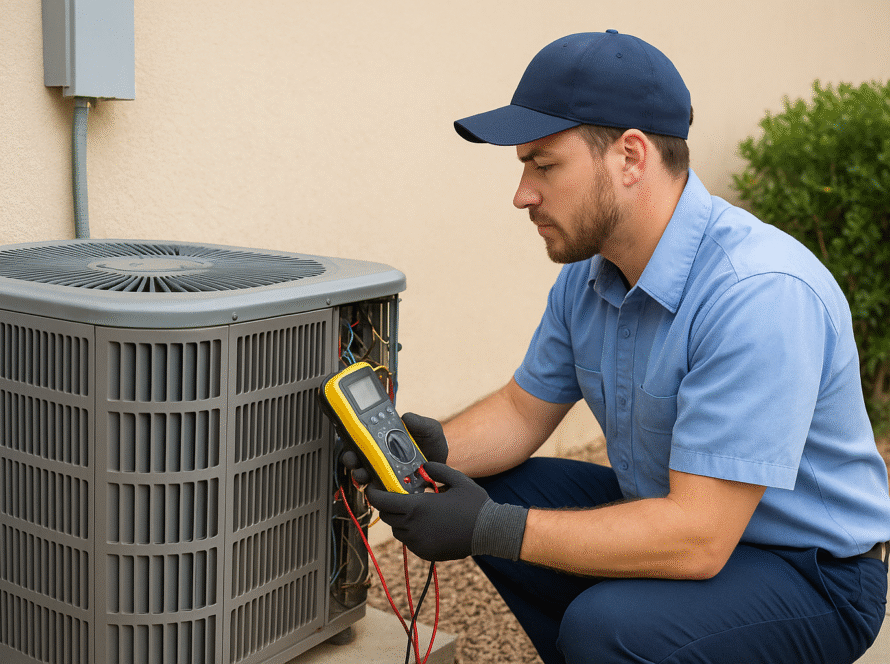
While homeowners can perform visual inspections, professional inspection is strongly recommended for deeper electrical evaluation. HVAC technicians have the tools and expertise to test voltage levels, measure electrical performance, and identify hidden problems that may not be visible. Including professional inspection as part of your seasonal HVAC Tasks helps ensure safety, reliability, and optimal system performance.
Regularly examining electrical components provides several important benefits. It improves system reliability, reduces the risk of unexpected failures, enhances energy efficiency, and protects expensive equipment from damage. Preventive HVAC Tasks like electrical inspection also help extend the lifespan of your HVAC system by ensuring all components function properly and safely. Energy Star
By consistently performing these essential HVAC Tasks, homeowners can protect their HVAC system from electrical failures, improve performance, and ensure dependable comfort throughout every season.
6. Clean Evaporator and Condensate Drain Lines
Another essential HVAC Tasks that homeowners should never overlook is cleaning the evaporator coil and condensate drain lines. These components play a crucial role in removing moisture from the air and maintaining the overall efficiency of your HVAC system. During cooling operations, the evaporator coil absorbs heat and moisture from indoor air. The extracted moisture collects and drains through the condensate lines. If these lines become clogged or the coils accumulate dirt, it can lead to water backups, reduced cooling efficiency, and even potential damage to the system or your home.
Regularly performing this HVAC Tasks ensures that condensate can flow freely and prevents the buildup of algae, mold, and bacteria inside the drain lines. Clogged or dirty lines can cause water to overflow into your home, leading to water damage, mildew, and unpleasant odors. Additionally, a dirty evaporator coil reduces the system’s ability to absorb heat, forcing the HVAC system to work harder, increasing energy consumption, and potentially shortening the equipment’s lifespan.Energy
Homeowners can perform basic cleaning as part of their seasonal HVAC Tasks. This includes gently wiping down accessible portions of the evaporator coil and ensuring the condensate line is free from obstructions. For deeper cleaning, using a mild cleaning solution or a wet-dry vacuum to remove blockages in the condensate line can help maintain smooth operation. For safety and thoroughness, many homeowners also choose to have a professional HVAC technician inspect and clean these components during seasonal maintenance, as they have specialized tools to address hard-to-reach areas.
Performing this HVAC Tasks not only ensures proper drainage and reduces the risk of water damage but also helps maintain indoor air quality. Stagnant water and mold growth in the system can release spores into your home, potentially affecting respiratory health. Clean coils and drain lines keep air circulating cleanly, maintaining a healthier living environment. Energy Star
Seasonal attention to the evaporator coil and condensate lines is particularly important before the cooling season begins. Ensuring these components are clean and unobstructed allows your HVAC system to operate at peak efficiency, reduces strain on internal parts, and prevents unexpected failures during periods of high demand.
By including evaporator and condensate line cleaning in your routine HVAC Tasks, homeowners can enhance system efficiency, maintain healthy indoor air, prevent costly water damage, and extend the life of their HVAC system. This preventive step is a simple yet highly effective way to protect both your home and your investment. HVAC
7. Schedule Professional Seasonal Maintenance
While many HVAC Tasks can be performed by homeowners, one of the most important steps for keeping your system in top condition is scheduling professional seasonal maintenance. A trained HVAC technician brings specialized knowledge, tools, and expertise to identify issues that may not be visible during routine homeowner inspections. Professional maintenance ensures that your system operates efficiently, safely, and reliably throughout the year, helping prevent unexpected breakdowns and costly repairs.Energy
During a professional maintenance visit, technicians perform a comprehensive inspection of your HVAC system. This includes checking refrigerant levels, inspecting electrical connections, cleaning internal components such as coils and fans, testing system performance, and verifying safety controls. They can also identify worn or damaged parts, such as belts, motors, or capacitors, before they fail completely. By addressing these issues early, professional HVAC Tasks prevent minor problems from escalating into major repairs, saving you both time and money in the long run.
Regular professional maintenance also improves energy efficiency. A well-maintained system runs more smoothly, uses less energy, and maintains consistent indoor temperatures. This reduces utility bills and lessens wear and tear on system components. Additionally, seasonal HVAC Tasks performed by professionals often include cleaning and lubricating moving parts, calibrating thermostats, and ensuring proper airflow, all of which contribute to optimal system performance. HVAC
Another benefit of professional seasonal HVAC Tasks is peace of mind. Homeowners can be confident that their system is prepared for extreme temperatures, whether it’s the peak of summer or the depth of winter. Knowing that your HVAC system has been thoroughly inspected and maintained reduces the risk of sudden failures that could leave your home uncomfortable or unsafe.
Most experts recommend scheduling professional HVAC maintenance at least twice a year—once in the spring to prepare for cooling season and once in the fall to prepare for heating season. This regular attention ensures that your system operates efficiently throughout the year and extends the lifespan of your HVAC equipment.
Incorporating professional maintenance into your seasonal HVAC Tasks routine is an investment in comfort, efficiency, and reliability. By combining these expert services with routine homeowner maintenance—such as cleaning filters, vents, and outdoor units—you can ensure that your HVAC system remains in peak condition, providing consistent performance and protecting your home environment year-round. Energy Star
Learn more : Top 10 Benefits of Annual HVAC Maintenance Plans
Conclusion
Performing regular seasonal HVAC Tasks is essential for maintaining comfort, efficiency, and reliability in your home. From replacing air filters and cleaning vents to inspecting electrical components and scheduling professional maintenance, each task plays a crucial role in ensuring your system operates smoothly throughout the year. By proactively addressing these maintenance needs, homeowners can prevent unexpected breakdowns, reduce energy consumption, lower utility bills, and extend the lifespan of their HVAC system.
Incorporating these HVAC Tasks into a consistent seasonal routine not only protects your investment but also enhances indoor air quality and overall home comfort. Whether it’s keeping your outdoor unit clean, checking thermostats, or ensuring proper drainage through evaporator coils and condensate lines, every preventive action contributes to a more efficient and reliable system.
Ultimately, taking a proactive approach to HVAC maintenance allows homeowners to enjoy consistent comfort, reduce repair costs, and maximize the longevity of their system. Seasonal HVAC Tasks are not just routine chores—they are a smart investment in the safety, efficiency, and comfort of your home.